Reviewed · TOKYO TOURS
Tokyo: Exquisite Wagyu Beef Experience at Yakiniku Nikunone
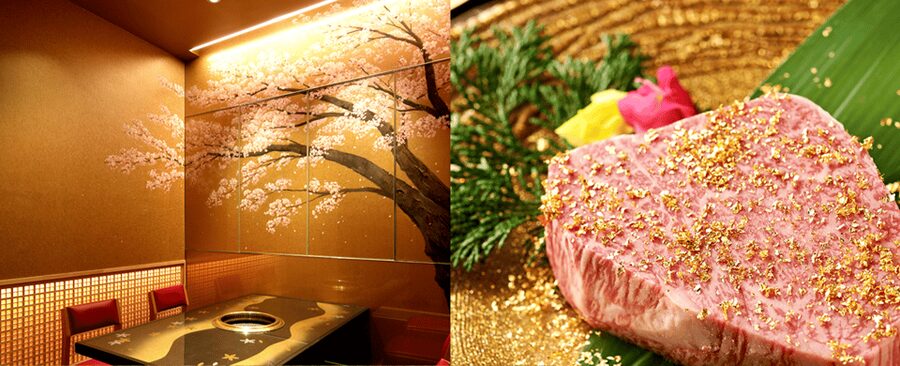
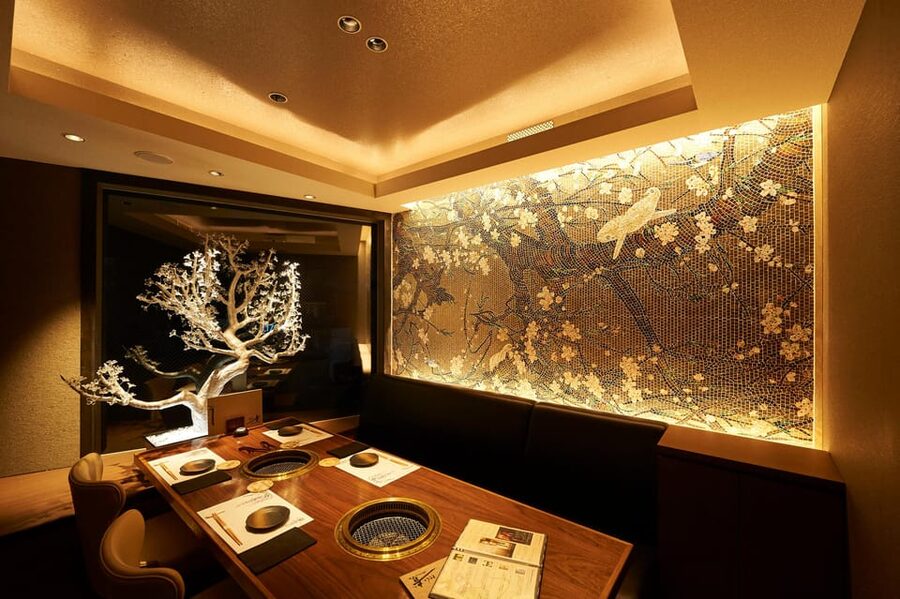
At Yakiniku Nikunone, the main event is a succession of carefully chosen Wagyu cuts, including A5 beef served in different styles. You sit in a private room inspired by one of Japan’s four seasons, then work through a set menu that may include grilled sushi, tongue, lean meat, and steak.
I like the choice between three courses: the Nikunone menu keeps the meal focused, while Kirameki and Kinzakura add more premium dishes. I also like that the restaurant treats beef as the center of the meal but gives attention to the details around it, from caviar and sea urchin to unusual rice and salt.
The main consideration is the price and the format. At $113 per person, this is a special-occasion meal, not a casual yakiniku stop, and your reservation is limited to two hours. You book a restaurant course directly, with no guide or broader Tokyo activity included.
What to know before you book
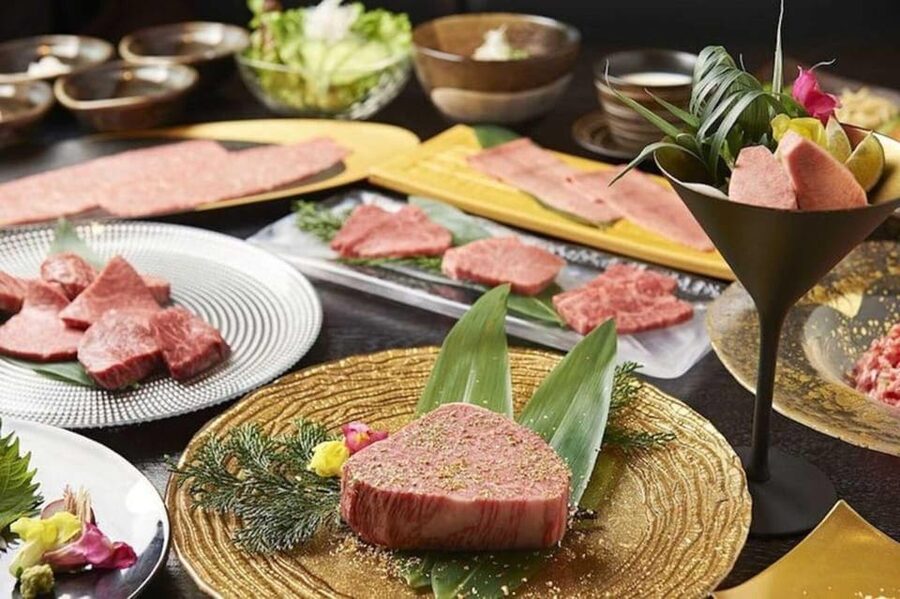
- A Wagyu-only restaurant: The menu centers on Japanese beef, with several cuts and preparations rather than a broad selection of unrelated dishes.
- Three different course levels: Nikunone offers 12 listed dishes, while Kirameki and Kinzakura each have 14. Their ingredients and extras differ, so compare the menus before choosing.
- Private rooms, not a public dining room: Each room draws on the four seasons of Japan. Specific room or seat types cannot be guaranteed.
- Some dishes are especially distinctive: Depending on the course, you may find beef tongue prepared as grilled shabu-shabu, Wagyu sushi, sea urchin, truffle salt, or caviar.
- Two hours is the limit: Treat this as a set dining appointment, not a leisurely evening with an open-ended table.
- The reservation covers dinner, not a guide: Enter the restaurant at your reservation time. The meeting point is across from Lawson Gran Customa.
A quiet room for a beef-focused meal
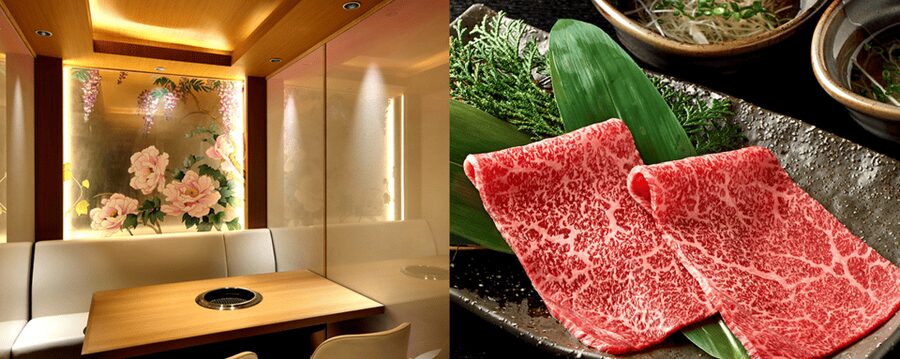
Yakiniku Nikunone is designed around private dining. The rooms take inspiration from Japan’s four seasons, giving the meal a more secluded, occasion-oriented feel than a busy shared dining room. If you are celebrating, or simply want to give your meal your full attention, that privacy is part of what you are paying for.
There is a practical side to the setting, too. You are not joining a walking tour or cooking class, and no guide accompanies you. This is a restaurant booking with a full-course menu and a reserved time slot. The staff are described as professional and attentive, and dishes are explained as they arrive, which can help you follow the progression even if you are new to yakiniku.
The two-hour cap is worth keeping in mind. A long course with several beef preparations can feel generous, but it is still a scheduled meal. Arrive on time and let the restaurant know about dietary restrictions during checkout. If you prefer to linger over each course or order at your own pace, a fixed menu and time limit may feel restrictive.
More tours and experiences in Tokyo:
- Mt Fuji and Hakone 1-Day Bus Tour Return by Bullet Train
★ 5.0 · 26,383 reviews - 1-Day Tokyo Bus Tour
★ 5.0 · 14,250 reviews - Tokyo: teamLab Planets TOKYO Digital Art Museum Entry Ticket
★ 4.6 · 9,779 reviews
Choosing between the three menus
The three courses have different strengths. The entry-level Nikunone course is the most compact, while Kirameki adds more variety and Kinzakura makes room for higher-end ingredients and a caviar service. All are full-course meals, and the course descriptions include drinks, though the drink arrangements differ.
At the advertised price of $113 per person, check the exact price for your chosen menu before you reserve. The supplied price is a per-person figure, while the three course descriptions offer different inclusions. The reservation fee includes the selected full course, sales tax, and the booking itself. Other personal expenses are not included.
Nikunone: a focused introduction
Nikunone is listed as a 12-dish course. It includes one drink, two kinds of kimchi and namul, Wagyu sinew stew, salad, special tongue grilled shabu-shabu, and three exclusive salted cuts of the day. The menu then moves through grilled chestnuts with shabu-shabu, two kinds of marinated lean meat, two pieces of grilled Wagyu sushi, and citrus yuzu sorbet.
This is the sensible choice if you want a broad sample of Wagyu without stepping up to the richer additions on the other menus. The sushi is a special feature of this course, served with caviar according to the course description. Its structure also gives you a useful contrast between cuts: tongue, lean meat, and other selected parts rather than one long run of similar steaks.
Kirameki: more variety, more decisions
Kirameki is a 14-dish course with one drink and a wider set of premium items. It adds Miyazaki beef sashimi with sea urchin, a piece of grilled Wagyu sushi with caviar, special skirt steak served with fresh wasabi, and a choice between sirloin or rump steak. You also choose between cold noodles and Wagyu ochazuke for the meal, followed by a dessert of your choice.
I would look closely at this menu if you like trying different textures and serving styles. The combination of sashimi, grilled beef, and a choice of final savory dish makes the progression less predictable than a meat-and-rice meal. The trade-off is that the number of courses and extras may be more than you want if you are mainly coming for a few excellent cuts.
For a different side of the same trip:
- Mt Fuji & Hakone Cruise, Drum Show Bullet Train 1 Day from Tokyo
★ 4.0 · 7,413 reviews - Tokyo: Sumo Show Experience with Chicken Hot Pot and a Photo
★ 4.8 · 6,678 reviews - Tokyo: Shinjuku Food Tour (13 Dishes at 4 Local Eateries)
★ 5.0 · 6,603 reviews - Tokyo Mt Fuji 5th St & Hakone Cruise Bus Tour w/Bullet Train
★ 4.4 · 5,024 reviews
Kinzakura: the celebratory course
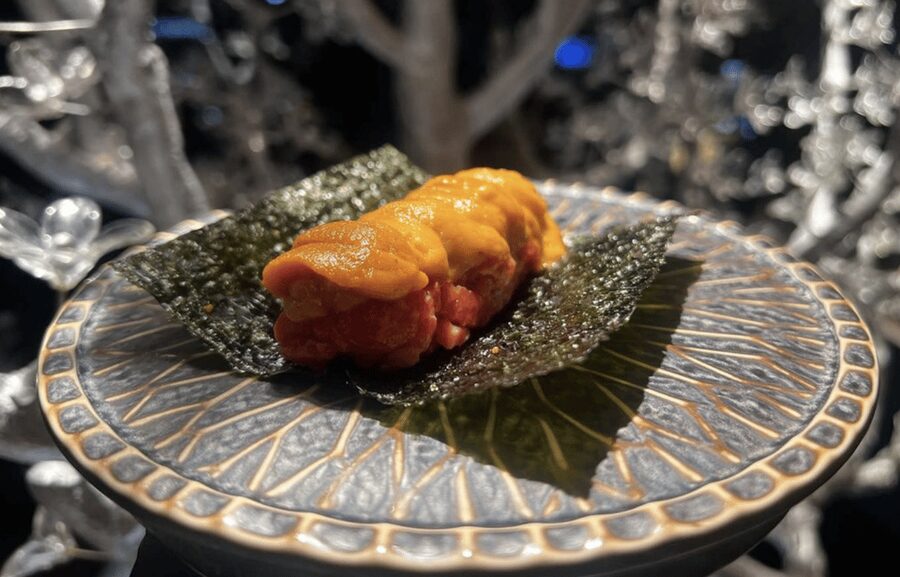
Kinzakura is also listed as 14 dishes, but it leans into luxury ingredients. It includes two drinks, with fruit champagne available, sea urchin tartar sushi in a hand roll with caviar, chateaubriand with truffle salt, salted exclusive cuts, marinated lean meat, chuck flap grilled sukiyaki, and a Wagyu steak sandwich.
For the final meal, you choose cold noodles or two pieces of grilled Wagyu sushi with sea urchin. Dessert is also your choice. The course includes a small bottle of caviar, which you can add to the sea urchin tartar or use as you like. That flexibility is a distinctive touch, though caviar and sea urchin are not reasons to book if what you really want is an uncomplicated beef tasting.
The menu descriptions also mention special ingredients such as Dragon Eggs from Oita and Algae Salt Rice from the Oki Islands. Their place in the three courses is not specified, so do not assume they are included in every booking. If either is a deciding factor, ask the restaurant before you reserve.
How the meal is likely to unfold
Each menu begins with drinks and small dishes, including kimchi and namul on the Nikunone and Kirameki courses. These provide a sharp, savory start before the beef takes over. Wagyu sinew stew appears on the first two menus, while Kinzakura begins with sea urchin tartar sushi and salad.
The early beef dishes set up the range of the meal. Special tongue grilled shabu-shabu appears across all three courses, giving you a different cut and preparation from the steaks that follow. In Kirameki, Miyazaki beef sashimi with sea urchin and grilled sushi with caviar add a raw or lightly handled element alongside the cooked meat.
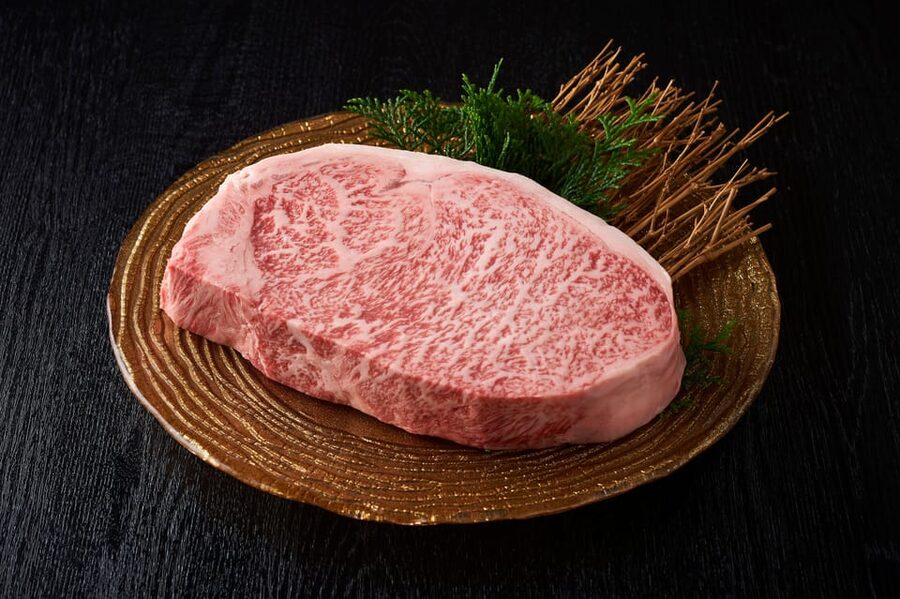
The center of the meal is a sequence of selected cuts. Depending on the course, you may get exclusive salted portions, marinated lean meat, skirt steak, sirloin, rump, chateaubriand, or chuck flap cooked sukiyaki-style. This is where the menu’s Wagyu-only focus matters: rather than offering one showpiece steak, the meal lets you compare different cuts and seasonings.
The final savory course varies. Nikunone finishes its beef sequence with two pieces of grilled Wagyu sushi. Kirameki lets you choose cold noodles or Wagyu ochazuke, a rice dish served with broth. Kinzakura offers cold noodles or grilled Wagyu sushi with sea urchin. Dessert follows, with yuzu sorbet on Nikunone and a choice on the other two menus.
That sequence is appealing if you enjoy a meal that arrives in planned stages. It is less suited to you if you want to choose each dish as you go or keep the meal short. The two-hour reservation window makes the pace part of the experience, so save your questions for the staff as dishes arrive and avoid treating the booking as an all-evening affair.
What the service and setting add
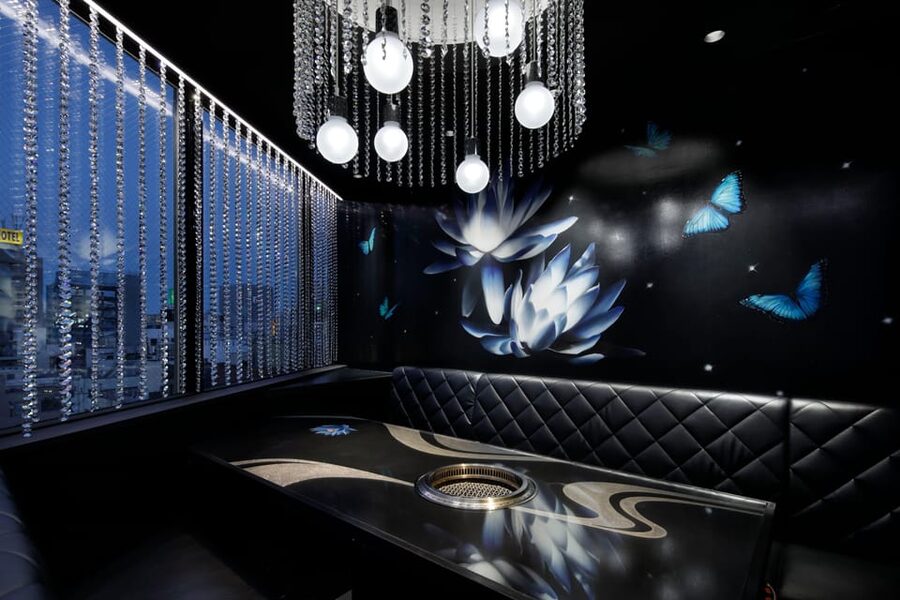
The food is the reason to book, but attentive service can make a set menu easier to appreciate. The restaurant’s staff are described as polite and professional, and dishes are explained with care. That is useful when a course includes unfamiliar preparations or distinctions between cuts. You do not need to arrive knowing the difference between every part of the menu to enjoy the progression.
The private-room arrangement also favors conversation. A room of your own can be pleasant for a date, family meal, or small celebration, particularly if you value a calm setting. But privacy comes with a caveat: you cannot guarantee a particular room or seat type. If a seasonal room is important to you, ask before booking, but treat the answer as a request rather than a promise.
Is $113 good value?
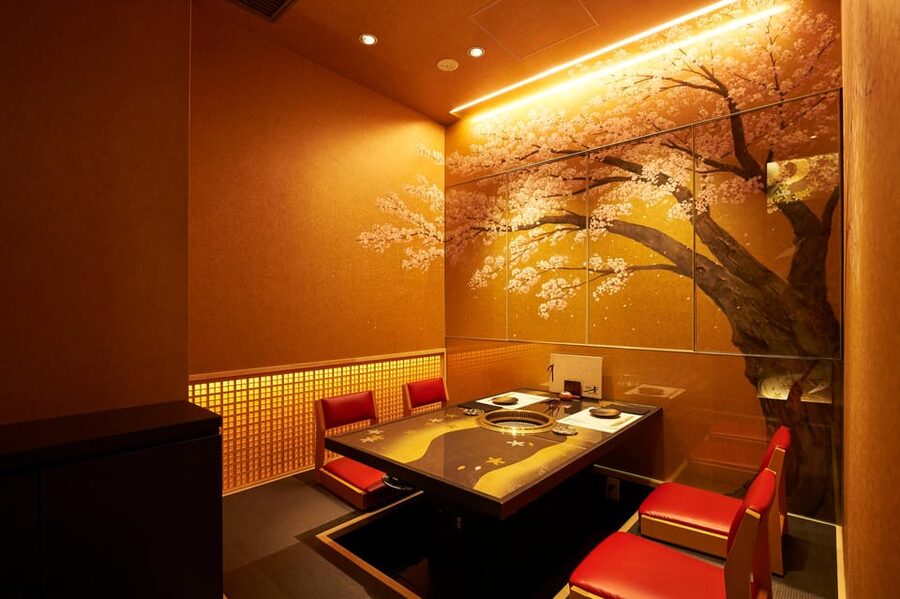
At $113 per person, Nikunone belongs in the special-meal category. The price is easier to justify if you want a composed course of several Wagyu cuts, service in a private room, and ingredients such as sea urchin, caviar, or truffle salt. The value is not simply the amount of beef. It is the chance to compare preparations and cuts in one sitting, with the menu and service arranged for you.
The value depends on choosing the right course. If you want a substantial Wagyu meal with a range of cuts and a few distinctive touches, Nikunone may be enough. Kirameki adds dishes and choices, while Kinzakura is the most elaborate option, especially with two drinks and a small bottle of caviar. Paying for the most luxurious course only makes sense if you are excited by those additions.
For a casual dinner, or if you would rather order a single steak and control your spending, this is probably not the best fit. The set menu and two-hour seating make it a deliberate splurge. Confirm the price for your selected course at booking, since the three menus have different inclusions.
Practical details that can shape your decision
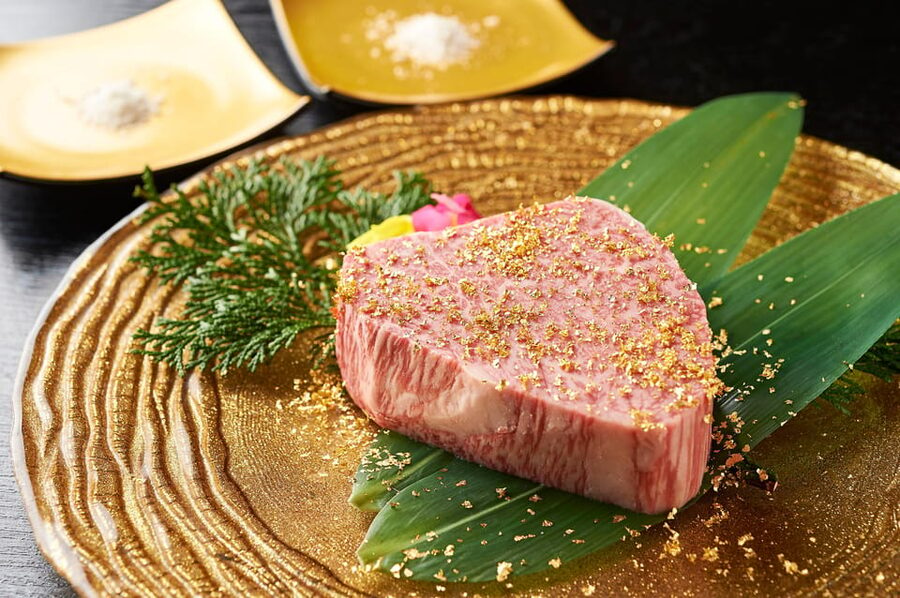
This reservation is for the restaurant itself. Go directly to Yakiniku Nikunone at your reservation time; the stated meeting point is across from Lawson Gran Customa. There is no guide, sightseeing component, or transport included.
The dining period is two hours, and specific seats cannot be guaranteed. The restaurant is listed as wheelchair accessible. Japan’s legal drinking age is 20, so keep that in mind when choosing a course with drinks.
You can cancel up to two days in advance for a full refund. If you have dietary restrictions, include them in the checkout comment rather than waiting until you arrive. The available information does not specify substitutions, so contact the restaurant if a restriction could affect several parts of the menu.
Who should book Yakiniku Nikunone?
I would recommend this meal to you if Wagyu is a genuine priority, you enjoy a planned tasting menu, and you are happy to spend for a polished dinner in a private room. It also suits a special occasion where you want the meal to feel more considered than a quick stop at a grill restaurant.
Choose Nikunone for a focused course, Kirameki for more cuts and choices, or Kinzakura for the fullest display of premium extras. If you are unsure, compare the named dishes rather than choosing by course length alone. A smaller menu that matches your appetite is better value than paying for ingredients you do not particularly want.
I would skip it if you are looking for a guided Tokyo activity, a flexible à la carte meal, or a budget dinner. But if you want two hours centered on Japanese beef, with a quiet room and a menu that moves from tongue and lean cuts to sushi and steak, this is a strong choice. Book early if your date matters, and confirm any special ingredient or dietary request before paying.
FAQ
Is this a guided tour or a restaurant reservation?
It is a restaurant reservation for a full-course meal. No guide is provided.
How long is the reservation?
The meal is scheduled for two hours, and seats are reserved for a maximum of two hours.
What are the three course options?
You can choose Nikunone, Kirameki, or Kinzakura. Their dishes and drink inclusions differ.
Are drinks included?
The course descriptions include drinks. Nikunone and Kirameki each include one drink, while Kinzakura includes two, with fruit champagne available.
Can I request a particular room or seat?
Specific seat types cannot be guaranteed. The private rooms are inspired by Japan’s four seasons.
Is the restaurant wheelchair accessible?
Yes, the activity information lists it as wheelchair accessible.
Can I cancel for a refund?
Yes. You can cancel up to two days in advance for a full refund.
Freshly reviewed in Tokyo
- Tokyo: Toshimaya Sake Brewery Tour with Sake Tasting★ 5.0 · 6 reviews
- :Tokyo,Shibuya /Meiji Shrine tour in KIMONO/English-friendly★ 5.0 · 4 reviews
- Tokyo: Tour Privado por Tokio en español★ 4.3 · 4 reviews
- Tokyo:Tea ceremony experience at Komaba Warakuan★ 4.8 · 9 reviews
- :Tokyo,Shibuya/ Pro Photography in Kimono / English-Friendly★ 5.0 · 26 reviews
- Tokyo:Samurai Training : Swords, Bushido & Mental Discipline★ 5.0 · 6 reviews
- Tokyo:Mt Fuji & Hakone Day Tour with English Speaking Driver★ 5.0 · 26 reviews
- Tokyo:Nikko UNESCO World Heritage Sites Private 1-Day Tour★ 3.8 · 6 reviews
Tokyo Tours, compared.
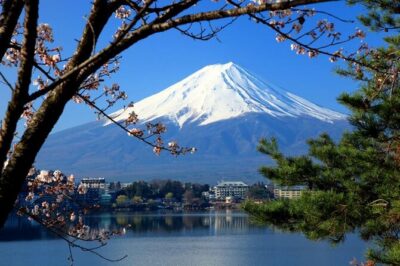
Mt Fuji and Hakone 1-Day Bus Tour Return by Bullet Train
Read our review →

teamLab Planets TOKYO Digital Art Museum Entry Ticket
Read our review →
Mt Fuji & Hakone Cruise, Drum Show Bullet Train 1 Day from Tokyo
Read our review →
Shinjuku Food Tour (13 Dishes at 4 Local Eateries)
Read our review →
Tokyo Mt Fuji 5th St & Hakone Cruise Bus Tour w/Bullet Train
Read our review →
Flagship 2-Hours Official Street Go-Kart Tour – Tokyo Bay Shop
Read our review →