
Reviewed · KAMAKURA TOURS
Kamakura: A Journey Through Medieval Japan
Kamakura was Japan’s first samurai capital, and this tour connects its medieval story to the temples, shrine, and giant Buddha you can still visit today. I like the mix of Zen Buddhist sites and samurai-era politics, and the way guide John brings the people and customs behind them into the day.
I also like that the route uses local trains and buses where walking would eat up too much time. The main consideration is stamina: this is a walking tour, and even with transport and places to sit, it is not suitable for wheelchair users or people with mobility impairments.
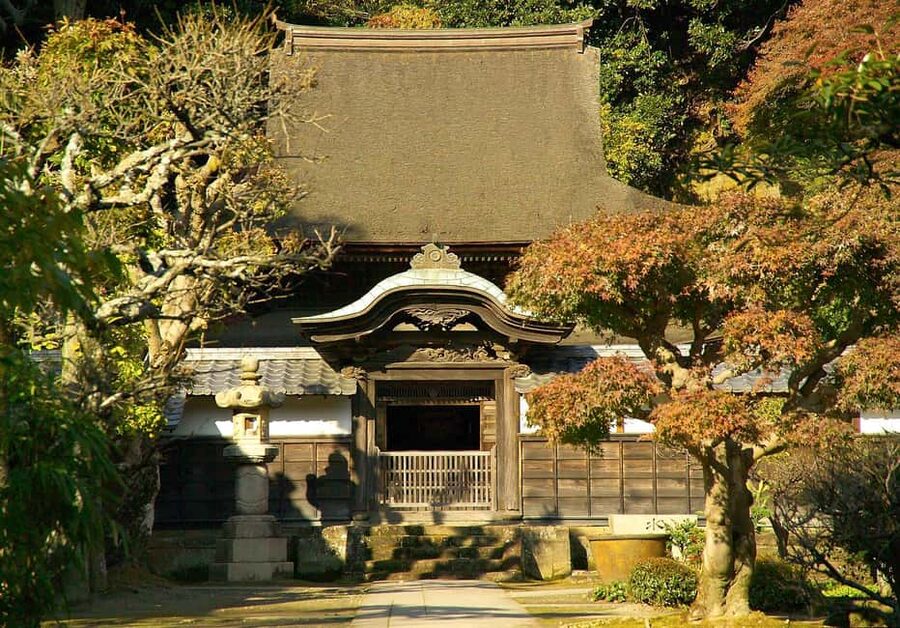
- Engaku-ji opens the day with Zen history at one of Japan’s most important Zen temples.
- Tokei-ji adds a women’s history angle, as a former nunnery and pilgrimage destination.
- Tsurugaoka Hachimangu links the sights to Kamakura’s warrior government and remains a major shrine in the city center.
- The Great Buddha is a signature stop, reached by bus rather than a long walk.
- Enoshima is the eight-hour tour’s seaside extension, combining an ancient sacred site with a popular island outing.
- John can tailor private tours, and advance notice helps with dietary needs, including vegetarian, vegan, and gluten-free meals.
Kamakura’s samurai past, told on the ground
Kamakura makes a fine change of pace from Tokyo. About 900 years ago, the samurai class established its first warrior government here, beginning the Kamakura Period. The city’s temples, shrine, and old pilgrimage routes give that political shift a physical setting, rather than leaving it as a chapter in a history book.
That context is the chief value of taking a guide. John connects religious practice with political power, art, and daily life, and his storytelling is a recurring strength of this tour. His English is excellent, and he is also praised for answering questions, sharing practical advice about Japanese food and culture, and adjusting the pace or route to suit a group.
The standard route begins at Kita-Kamakura Station and visits Engaku-ji and Tokei-ji before heading toward the city center. It then reaches Tsurugaoka Hachimangu and the Great Buddha at Kōtoku-in. The eight-hour private version can continue to Enoshima. Since the tour lasts anywhere from four to eight hours, confirm which stops fit your chosen duration before booking.
Starting at Kita-Kamakura Station
Meet John outside the East Exit of Kita-Kamakura Station. The station is a manageable meeting point, and one traveler noted that it was easy to find compared with Tokyo’s larger rail hubs. Still, check your route before setting out, especially if you are traveling from central Tokyo and changing trains.
Kita-Kamakura is a useful starting point because the first temples are close by. The visit begins with a gentle shift away from the city’s modern pace and into the religious and political story of the region. You will be on foot for much of the day, but the route also uses public transport, and there are places to sit along the way.
That does not make this a low-walking excursion. One family specifically advised being ready to walk, and the overall itinerary includes several separate sites. Wear shoes you can comfortably walk in, and tell John ahead of time about physical limitations so he can discuss what adjustments may be possible. The tour is not designed for wheelchair users or people with mobility impairments.
More Kamakura trips in Kamakura:
- Tokyo: Kamakura & Enoshima Day Trip including Temple Tickets
★ 4.5 · 1,375 reviews - Tokyo: Mt. Fuji, Kamakura, Big Buddha, & Lake Ashi Day Trip
★ 4.5 · 867 reviews - From Tokyo: Kamakura & Enoshima 1-Day Bus Tour
★ 4.5 · 189 reviews
Engaku-ji and Tokei-ji: Zen and women’s history
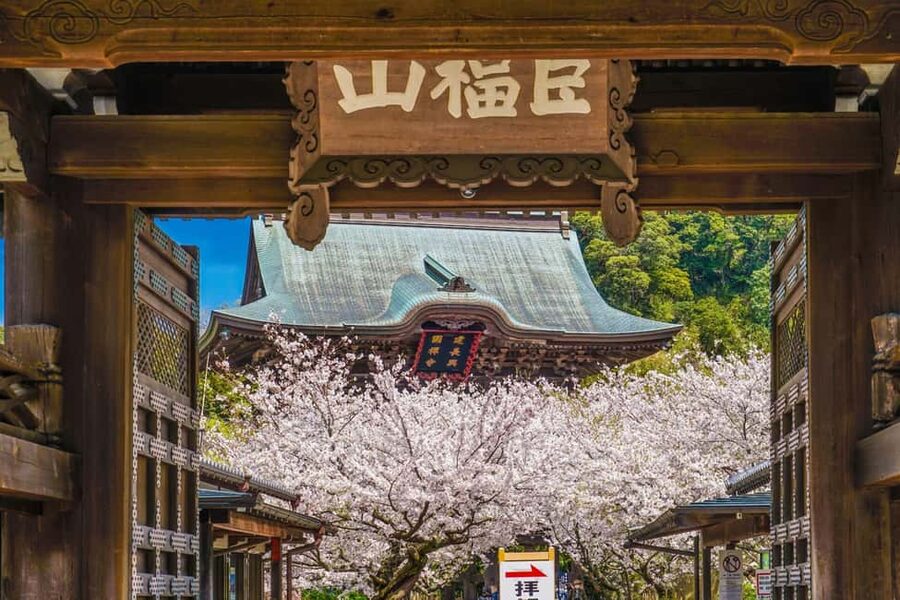
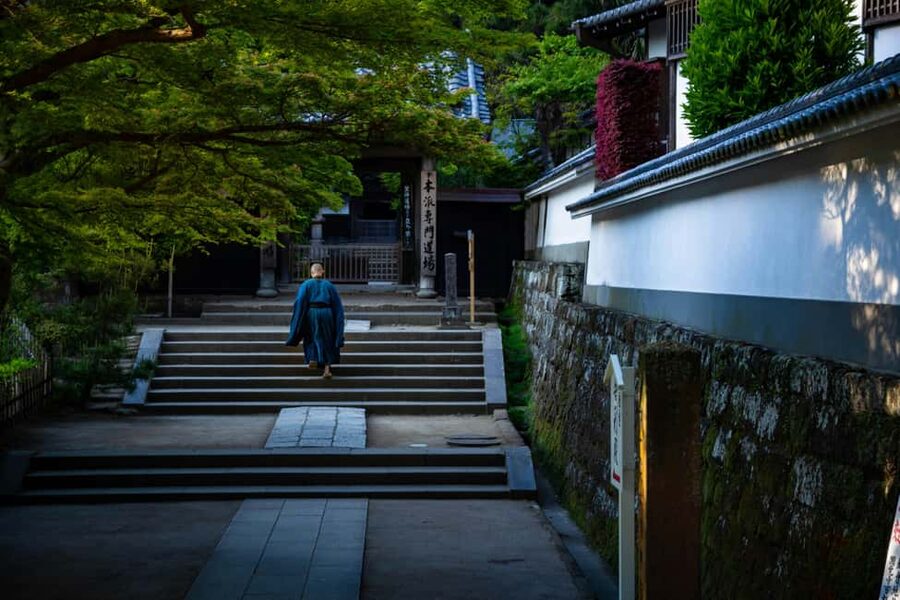
Engaku-ji is the first major stop, with about an hour set aside for a guided visit. It is one of Japan’s most important Zen temples, and John uses it to explain how Zen Buddhism shaped Japanese politics, art, and religious life. That framing helps make the temple more than a beautiful place to stroll through: you begin to see how religious institutions fit into the story of samurai rule.
The hour allows for a proper introduction, but it is still one part of a larger day. If temples are your main interest, ask how the four-hour option handles the visit and whether you can spend longer at Engaku-ji on a private tour. The route is customizable when you book a private option, so it is worth stating your priorities early.
A short stop at Tokei-ji follows. This former nunnery was a pilgrimage destination for women from across Japan. The guided visit is about 15 minutes, so think of it as a compact but meaningful stop, not a lengthy exploration. Its place in the route adds a perspective on women’s religious lives that can be easy to miss when a day focuses only on Zen institutions and warrior history.
Lunch and the path to Tsurugaoka Hachimangu
A local restaurant lunch is scheduled for about 45 minutes. The tour’s shojin-ryori meal, the vegetarian food associated with Buddhist monks, is generally part of the eight-hour version, though it may be available on the four-hour tour by request. If tasting this style of cooking matters to you, ask about it before booking rather than assuming it is included.
Vegetarian and vegan-friendly arrangements are possible with advance notice. One visitor with celiac disease also received help finding a gluten-free restaurant, but you should contact John directly about your own dietary needs. Lunch costs about 1,000 yen per person, and the stated estimate includes the guide as well as the people on the tour.
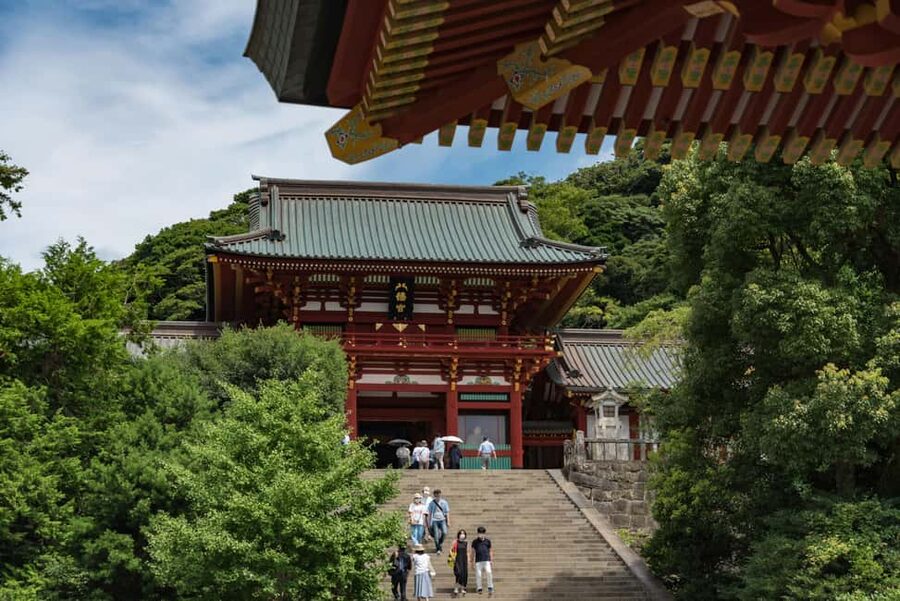
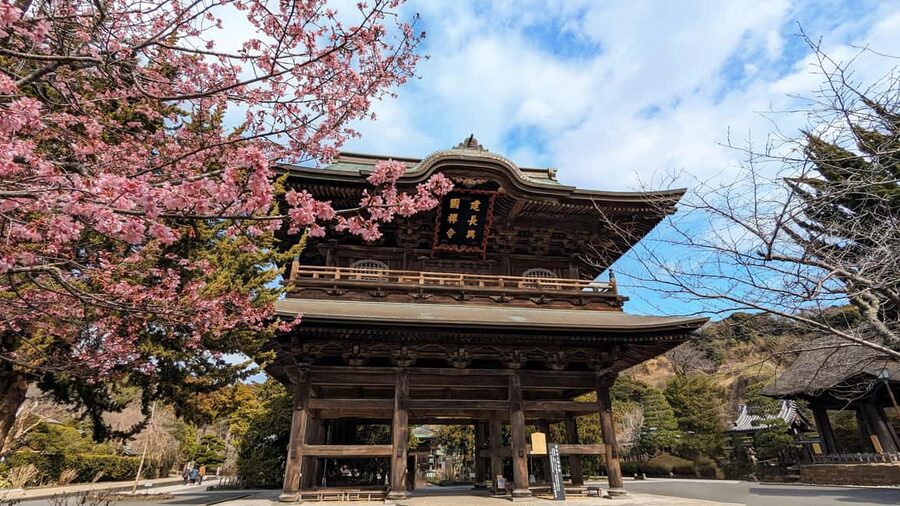
After lunch, the route reaches Tsurugaoka Hachimangu, one of the region’s largest and most popular shrines. About 30 minutes are planned here. The shrine puts you at the heart of Kamakura’s public and political story, complementing the quieter religious setting of the earlier temples. John’s explanations can help you connect the shrine with the warrior government and the later history of Japan’s ruling families.
The visit is relatively brief for such a major site. If you want time to explore independently or take a slower look, discuss that with John, especially if you are booking privately. The tour’s strength is breadth: it brings several important places into one coherent day, rather than lingering at every one.
The Great Buddha at Kōtoku-in
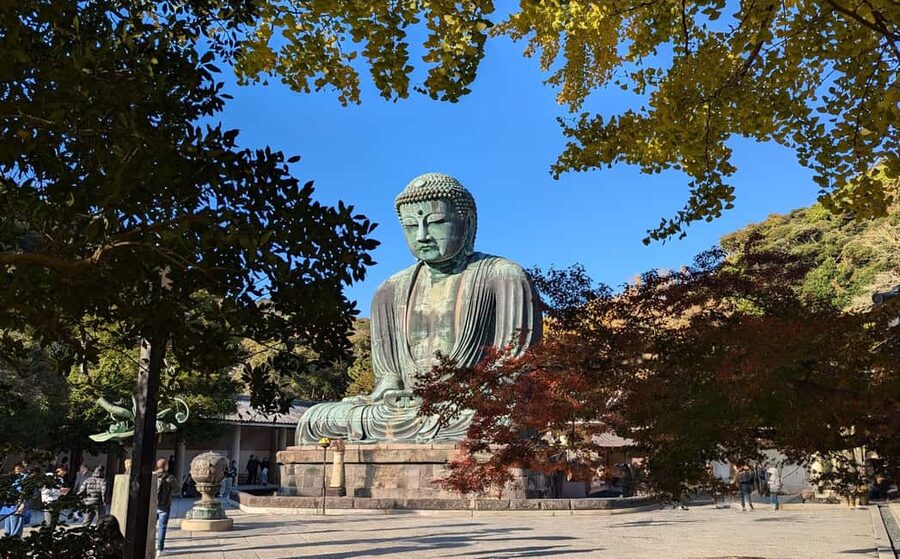
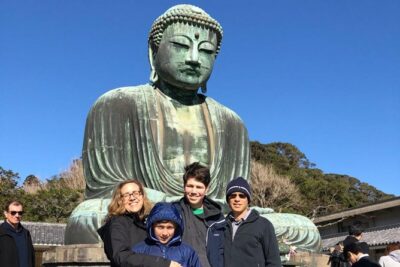
From the shrine, the group takes a bus for about 20 minutes to Kōtoku-in, home of the Great Buddha of Kamakura. The statue is among the largest in Japan and is often considered one of the country’s most beautiful. It is the day’s most instantly recognizable landmark, but its impact comes from seeing it in the setting of a working temple visit rather than as a quick photo stop.
The guided visit is about 30 minutes. That gives John time to explain the site and help you appreciate the statue, while keeping the route moving. Expect other people at a major attraction like this, particularly at busy times. John is praised for knowing good photo spots and helping groups avoid crowds where possible, though no guide can make a popular landmark empty.
Using the bus here is practical. It saves walking time between the city center and the Buddha, leaving more energy for the sites themselves. The tour’s estimated transportation cost is about 400 yen per person, separate from the guide fee.
For a different side of the same trip:
- Kamakura Historical Walking Tour with the Great Buddha
★ 5.0 · 129 reviews - Kamakura Private Tour: Temples, Nature, and the Great Buddha
★ 5.0 · 121 reviews - Kamakura Walking Tour – The City of Shogun
★ 5.0 · 100 reviews - Tokyo:Sea of Mount Fuji, Hakone Ropeway, Ōwakudani, Enoshima
★ 4.9 · 84 reviews
Enoshima: the longer tour’s seaside finish
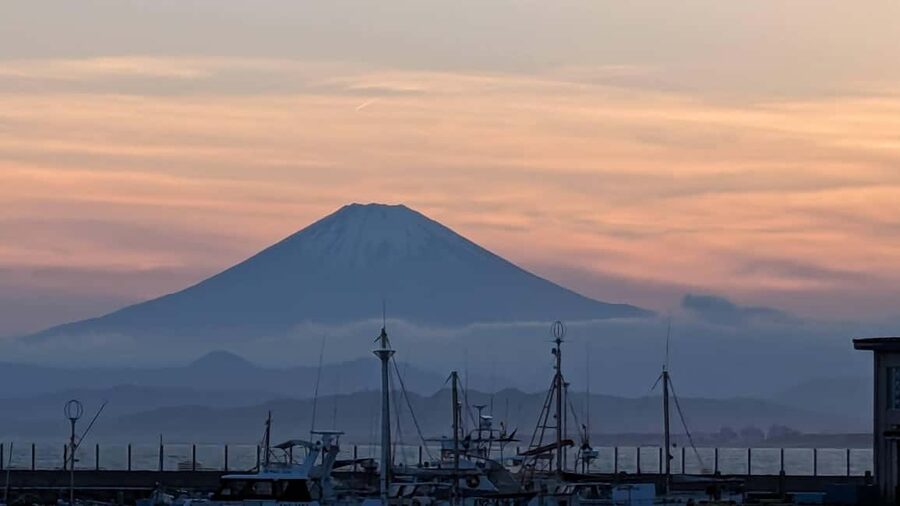
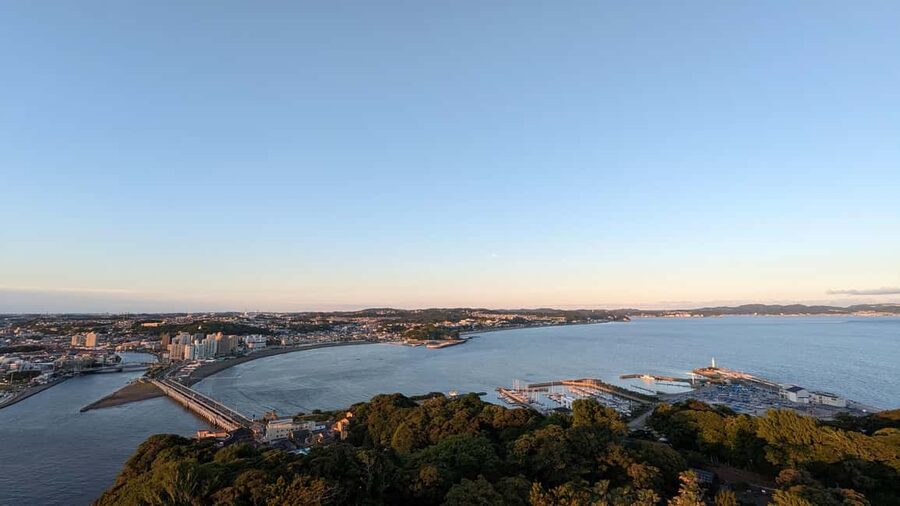
Enoshima is the big difference between the shorter outing and the full eight-hour private tour. After the Great Buddha, the route includes a train ride of about 15 minutes and a guided visit to the island lasting roughly two hours. Enoshima has long had sacred significance and is now also a seaside destination for couples and families. The appeal is the contrast: religious associations, popular holiday atmosphere, and natural scenery in one place.
The longer day gives you time to experience more than Kamakura’s temples and shrine. One visitor particularly valued a walk timed for sunset and the views, but sunset depends on the season and schedule. If that matters to you, ask John whether the timing of your chosen date can work.
The added island stop also means more walking and a longer day. It makes sense if you want a broad outing that combines medieval sites with the coast. If your main aim is a focused introduction to Kamakura, four hours may be enough, especially if you are coming from Tokyo for a half-day visit. The tour can finish at either Kita-Kamakura Station or Kamakura Station.
What the price covers, and what it does not
The advertised price is $35 per person for the guide fee. That is a useful entry point for a private or small-group guided day, particularly if you value clear English explanations and help navigating local transit. You are paying for interpretation and route planning, not a packaged ticket-and-meal deal.
Budget extra for entrance fees, transport, and lunch. The estimates are about 800 to 1,500 yen per person for entry fees, about 400 yen per person for transportation, and about 1,000 yen per person for lunch. The stated entry and lunch estimates include costs for the guide as well as the group, so confirm how those shared costs are handled when you book. The total will depend on your tour length and meal choice.
For value, the four-hour version is a sensible choice if you want the main Kamakura story in half a day. The eight-hour private option costs more in time and incidental expenses, but it adds a very different setting at Enoshima and more room for a tailored day. Ask what is included in your exact plan, especially if shojin-ryori or the island visit is a priority.
Who will get the most from this walk
This tour suits you if you want history explained as you go, rather than a checklist of temples and photo stops. It is especially useful for a first visit to Kamakura, a day trip from Tokyo, or a group that wants someone to manage the public transport links and set a sensible pace. John’s storytelling and flexibility are the strongest reasons to choose a guided outing.
It also works well for families and small groups with varied interests, provided everyone can manage the walking. John has adjusted routes for groups and helped with special meal needs. Private tours offer the most flexibility, while small-group availability may suit you if you prefer a guided introduction without booking a fully private day.
Consider another option if you need step-free access or cannot walk between sites. This route combines walking with buses and trains, but public transport does not remove the physical demands. If your priority is only one site, a full guided route may feel too broad; you can ask about customizing a private tour around the places you care about most.
Practical details before you book
The tour is offered in English and lasts four to eight hours, with starting times depending on availability. The guide fee is listed at $35 per person. You can reserve without paying immediately, and cancellation is free up to 24 hours in advance for a full refund.
Tell John about dietary restrictions or physical disabilities before the tour. Vegetarian and vegan meals can be arranged with notice, and specific dietary requests may affect the restaurant choice. Also confirm the day’s route: the standard eight-hour private version is the one that includes Enoshima, while shojin-ryori is generally associated with the longer option but may be requested for the shorter tour.
Should you book this Kamakura tour?
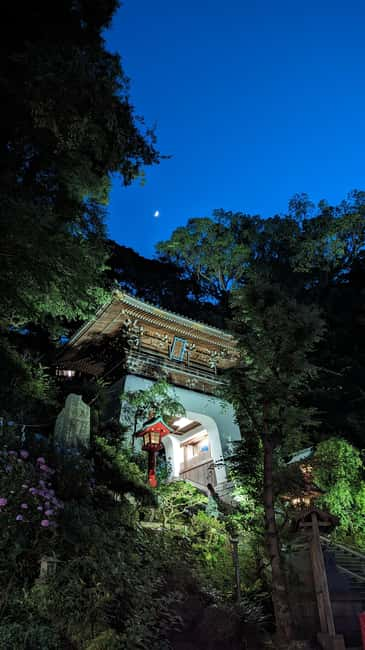
Book it if you want Kamakura’s temples, shrine, and Great Buddha tied together by a guide who can explain why the city mattered and help you move around efficiently. The four-hour option is a strong half-day introduction; choose the private eight-hour version if Enoshima, a longer lunch, or a customized pace matters to you.
Skip it if walking is a serious challenge, or if you want a fully self-guided visit with no extra entry, transport, or meal costs. For most able walkers who value context over simply ticking off landmarks, John’s history-led route offers a practical and engaging way to meet Kamakura.
FAQ
How long is the Kamakura tour?
You can choose a tour lasting four to eight hours. The eight-hour private option can include Enoshima, while the shorter tour is suited to a half-day overview.
Where does the tour start?
Meet the guide outside the East Exit of Kita-Kamakura Station. The tour can finish at Kita-Kamakura Station or Kamakura Station.
Is Enoshima included on every tour?
No. Enoshima is included in the private eight-hour version. Confirm the exact stops when booking a shorter tour.
Is lunch included in the price?
No. Lunch is about 1,000 yen per person, including the guide and the group. Shojin-ryori is generally available on the eight-hour tour and may be requested for the four-hour option.
Can the tour accommodate vegetarian or vegan diets?
Yes. Vegetarian and vegan-friendly arrangements are possible if you let John know beforehand. Tell him about other dietary restrictions in advance as well.
Is this tour suitable for wheelchair users?
No. The tour is not suitable for wheelchair users or people with mobility impairments, and it involves substantial walking despite using public transport between some sites.
Freshly reviewed in Kamakura
- Tokyo Yokohama Night View Tour With Kamakura And Enoshima★ 3.5 · 14 reviews
- Tokyo: Kamakura & Enoshima Day Tour with Pickup & Train Ride★ 4.1 · 61 reviews
- Tokyo: Kamakura Private Tour With Guide★ 5.0 · 5 reviews
- Tokyo: Day Trip to Kamakura in Spanish – Spanish★ 4.9 · 22 reviews
- Kanagawa: Kimono Rental in Kamakura Provided by RikaWafuku★ 4.8 · 8 reviews
- Private 2-Day Tour: Mt Fuji Hakone & Kamakura + Onsen Ryokan★ 5.0 · 3 reviews
- Kamakura: Great Buddha, Hase Temple, & Komachi Street Tour★ 5.0 · 11 reviews
- Mt Fuji Hakone/Enoshima Tour:Optional Ropeway/Lake Ashi Boat★ 4.3 · 49 reviews
Kamakura Tours, compared.
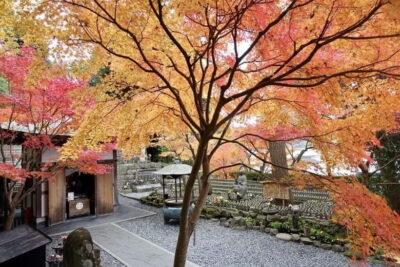
Kamakura & Enoshima Day Trip including Temple Tickets
Read our review →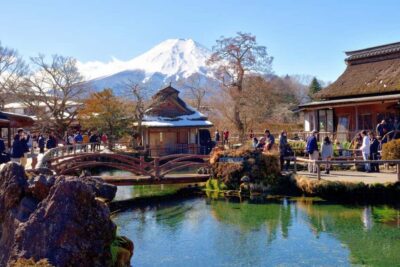
Mt. Fuji, Kamakura, Big Buddha, & Lake Ashi Day Trip
Read our review →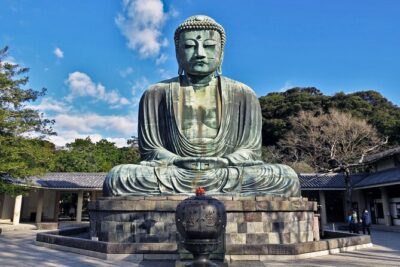
Kamakura Historical Walking Tour with the Great Buddha
Read our review →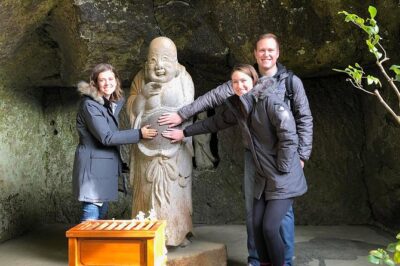
Kamakura Private Tour: Temples, Nature, and the Great Buddha
Read our review →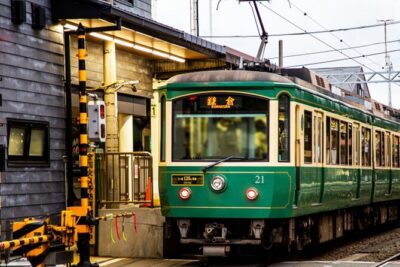
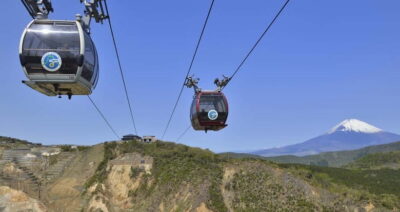
Sea of Mount Fuji, Hakone Ropeway, Ōwakudani, Enoshima
Read our review →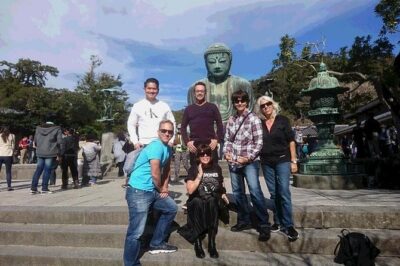
Kamakura 8 hr Private Walking Tour with Licensed Guide from Tokyo
Read our review →Browse the lists this tour appears in