
Reviewed · KAMAKURA TOURS
Kamakura: Great Buddha, Hase Temple, & Komachi Street Tour
Kamakura’s Great Buddha sits outdoors, open to the sky, a striking sight after the train ride south from Tokyo. This private, eight-hour tour pairs that landmark with temples, a local train and time for lunch and shopping, giving you a useful first look at a former Japanese capital.
I especially like two things here: a guide handles the public-transport connections, and the day links major sights with ordinary Kamakura life, from a local restaurant to the shops of Komachi Street. Past guides such as Ena and Rie have helped make the history accessible in English and German.
The main consideration is cost: $530 covers a private group of up to six, but not transit, admissions or meals. Those extras add up, and you will spend much of the day walking and using stations with limited elevators or escalators.
At a glance: what makes this Kamakura day useful
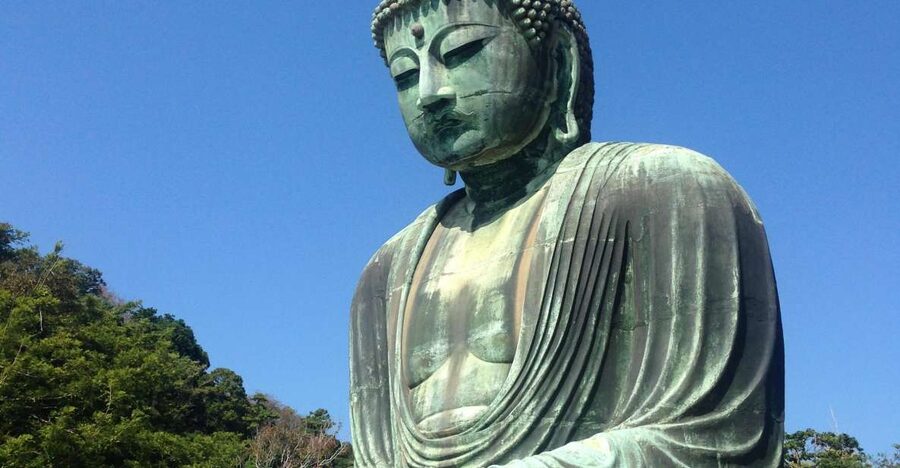
- The Great Buddha is an open-air landmark, not a statue enclosed inside a hall.
- Hase Temple brings flowers and several religious figures into the day, with hydrangeas a seasonal draw.
- Enoden adds a local-train ride between Kamakura sights, alongside JR trains and buses.
- Hokokuji’s bamboo forest is part of the stated route, though plans can be changed for places such as Enoshima.
- Your guide meets you at a hotel lobby in Tokyo’s 23 wards, so you do not need to arrange the outbound trip to Kamakura alone.
- The quoted group price excludes key expenses, including transport, entrance fees and lunch.
Leaving Tokyo for Kamakura by train
The day begins with pickup at your hotel lobby in Tokyo’s 23 wards. From there, you travel by JR train toward Kamakura, a trip described as taking about an hour and a half. The route also uses the Enoden, Kamakura’s small local train, and buses between some sights.
That is a practical advantage of a guided day trip. You are not only being taken to monuments; you have someone with you as you work through a day of transfers and public transport. The guide can help you get from one station to the next and explain what you are seeing along the way. One past English-speaking guide, Ena, was praised for navigating the route as well as explaining the stops. That is the sort of help that matters when you want to spend your attention on Kamakura rather than on station signs.
The itinerary includes a 10-minute train ride after the longer outbound journey, then visits to Kōtoku-in and Hase-dera. Later, it calls for another short train ride and two bus journeys of about 15 minutes each. The return train ride is listed at about an hour, with the tour ending in Shinjuku.
Treat those timings as the outline of a full day, not as a promise of spare hours. The tour lasts eight hours, and the exact rhythm depends on transfers, time at each stop, and how long you spend over lunch or shopping. If you are late at the start, the end time does not move, so arrive ready to go.
More Kamakura trips in Kamakura:
- Tokyo: Kamakura & Enoshima Day Trip including Temple Tickets
★ 4.5 · 1,375 reviews - Tokyo: Mt. Fuji, Kamakura, Big Buddha, & Lake Ashi Day Trip
★ 4.5 · 867 reviews - From Tokyo: Kamakura & Enoshima 1-Day Bus Tour
★ 4.5 · 189 reviews
Meeting the Great Buddha at Kōtoku-in
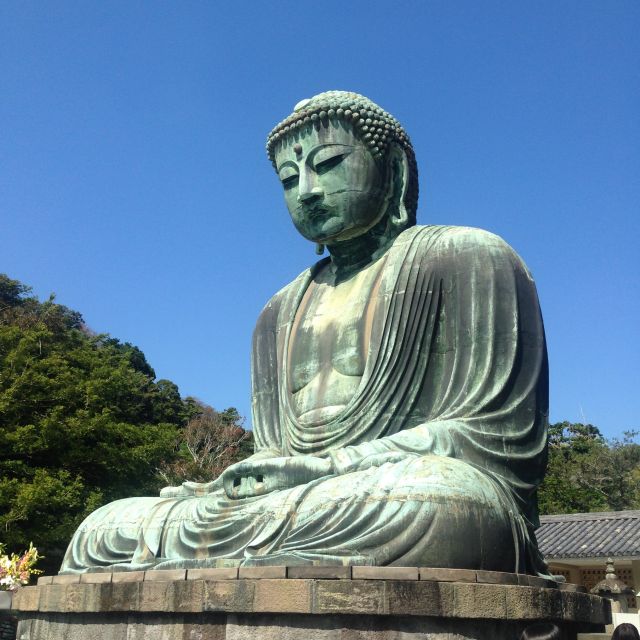
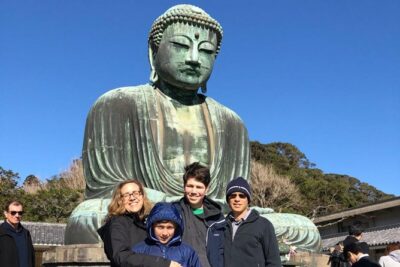
Kōtoku-in is home to Kamakura’s best-known sight: a large bronze Buddha seated in the open air. The unusual setting is part of its appeal. Rather than entering a building to find the figure, you encounter it outside, with the sky and surrounding grounds shaping the scene.
The tour description calls it Japan’s second-largest Buddha. More important for your visit, it is a memorable first stop that gives the day a clear focus. A guide can put the statue into context and help you notice details you might otherwise pass by while taking photographs.
Expect this to be a sightseeing stop, not an all-day visit. The value is in seeing the statue and hearing why it matters before moving on to the nearby temple. If you prefer to linger, ask your guide how the time can be divided among the stops. The schedule has several more places to cover, so extra time here may mean less time elsewhere.
Flowers and religious figures at Hase Temple
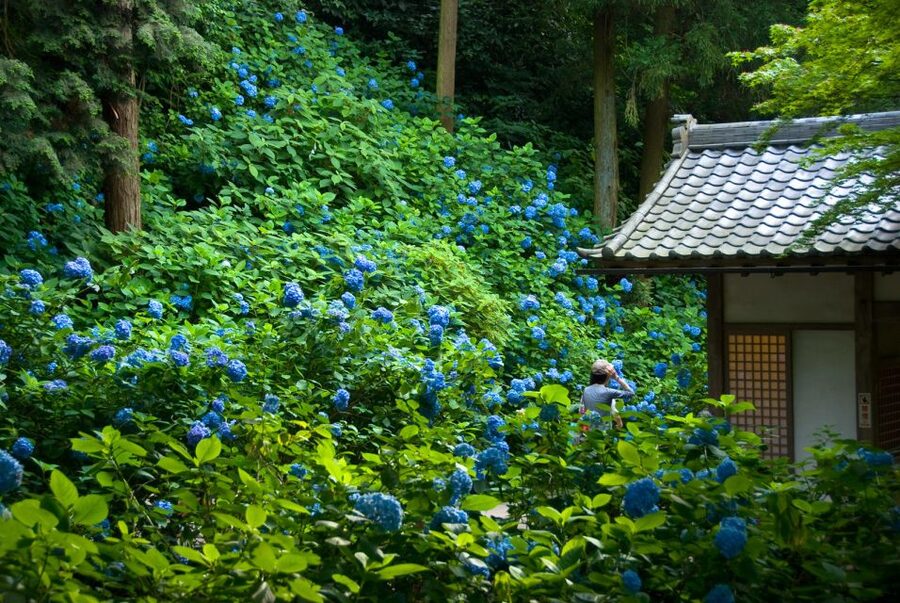
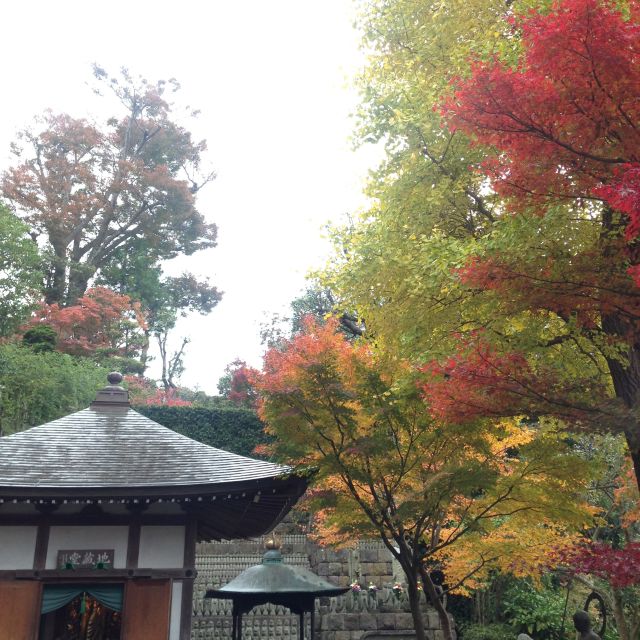
Hase-dera offers a different mood from the open setting at Kōtoku-in. It is known for its flowers, especially hydrangeas, which make the season a factor in what you see. The temple grounds also include figures of Buddha, Kannon and gods associated with wealth, giving you more than one reason to pause and look around.
I like the contrast: the Great Buddha is a single iconic encounter, while Hase Temple invites a slower walk among flowers and religious images. The guide can explain what the figures represent and help you understand the religious setting without turning the visit into a string of names and dates. Shizuko, one of the guides praised for her attentive manner, is an example of the personal guidance this tour aims to provide, though you cannot assume which guide will lead your date.
Hydrangeas are seasonal, so do not book on the assumption that the grounds will be in peak bloom. The temple can still be worthwhile outside that season, but the flower display will vary. Wear shoes suited to walking, and tell your guide if stairs are a concern. Stations in the area may have few elevators or escalators, and the day includes walking as well as public transport.
Lunch with room for your food preferences
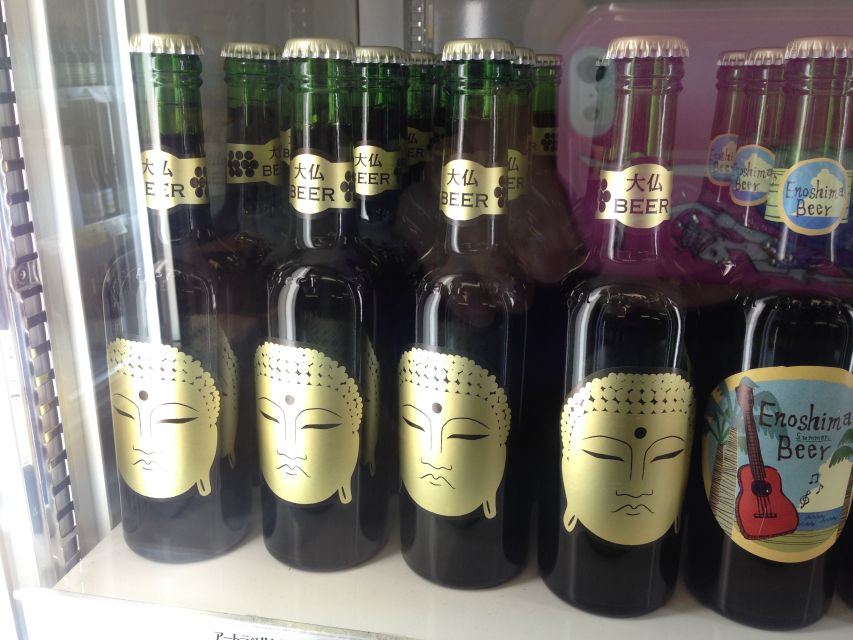
The plan includes lunch at a local restaurant. Kamakura is known for seafood, and the tour description suggests it as a typical local choice. If seafood is not for you, other food can be arranged based on your request.
That flexibility is useful, but make your preference clear before the day rather than waiting until you are hungry. Lunch is not included in the tour price, and the guide’s meal is not included either. You should budget for both your own meal and any other expenses listed as excluded.
A local restaurant stop also gives the day a welcome pause between temple visits and the next stretch of sightseeing. The guide can help you through the meal and point out local food choices. A guide on an earlier tour joined the group for lunch and helped them navigate the meal, a practical service if you are unsure what to order or how the restaurant works.
For a different side of the same trip:
- Kamakura Historical Walking Tour with the Great Buddha
★ 5.0 · 129 reviews - Kamakura Private Tour: Temples, Nature, and the Great Buddha
★ 5.0 · 121 reviews - Kamakura Walking Tour – The City of Shogun
★ 5.0 · 100 reviews - Tokyo:Sea of Mount Fuji, Hakone Ropeway, Ōwakudani, Enoshima
★ 4.9 · 84 reviews
Hokokuji’s bamboo grove and the day’s flexible route
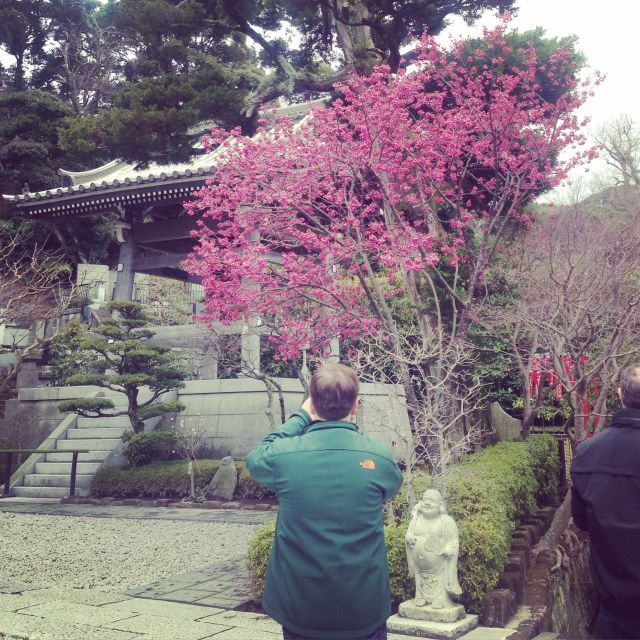
After lunch, the stated route continues by train and bus to Hokokuji Bamboo Forest. The grove gives the day a change of pace: instead of another major statue or shrine, you visit a temple site known for bamboo. It is a distinctive stop, and it helps explain why the route is more varied than a simple Great Buddha excursion.
Hokokuji is included in the detailed schedule, but the tour also says plans can be changed. If you would rather visit Enoshima Island or another place such as Hokokuji, discuss the route with the guide. Since the day is private, a change may be possible, but do not assume every substitution fits without affecting other stops. Confirm what you want to prioritize before setting out.
The key trade-off is time. Kamakura has more sights than an eight-hour visit can cover at a leisurely pace. Adding a destination can mean shortening another stop, so decide whether you care most about temples, the bamboo grove, the seaside island or shopping. This tour’s listed combination gives you a broad sampler rather than an exhaustive visit.
Tsurugaoka Hachimangu and Komachi Street
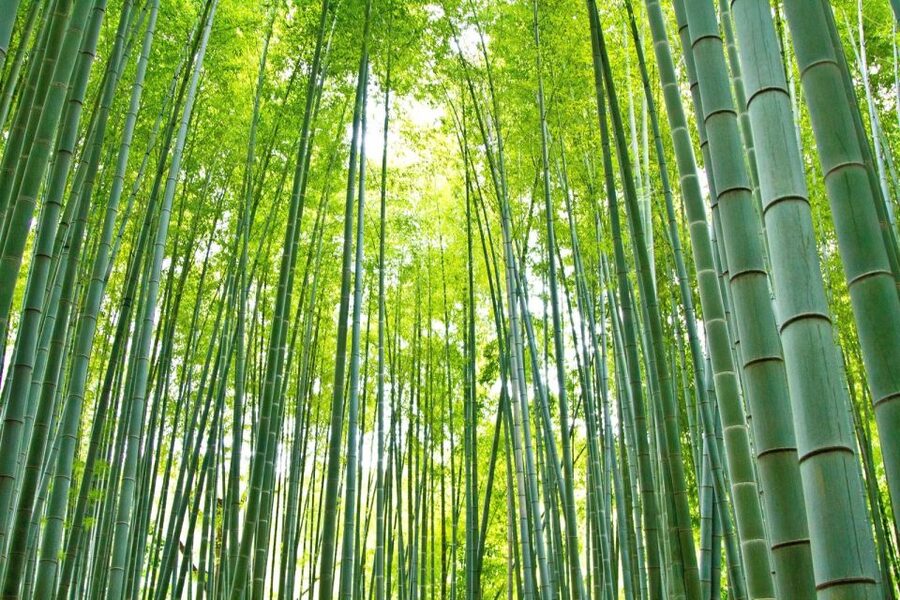
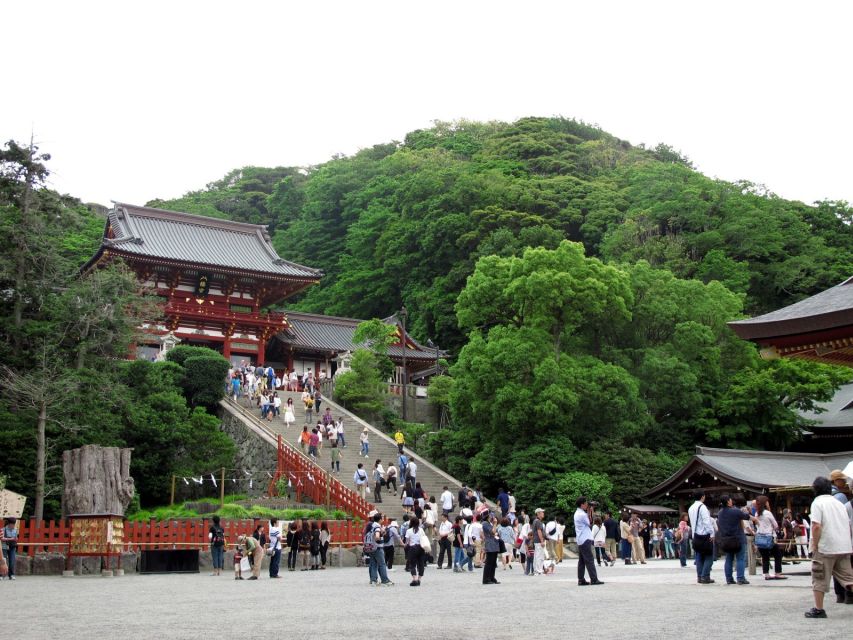
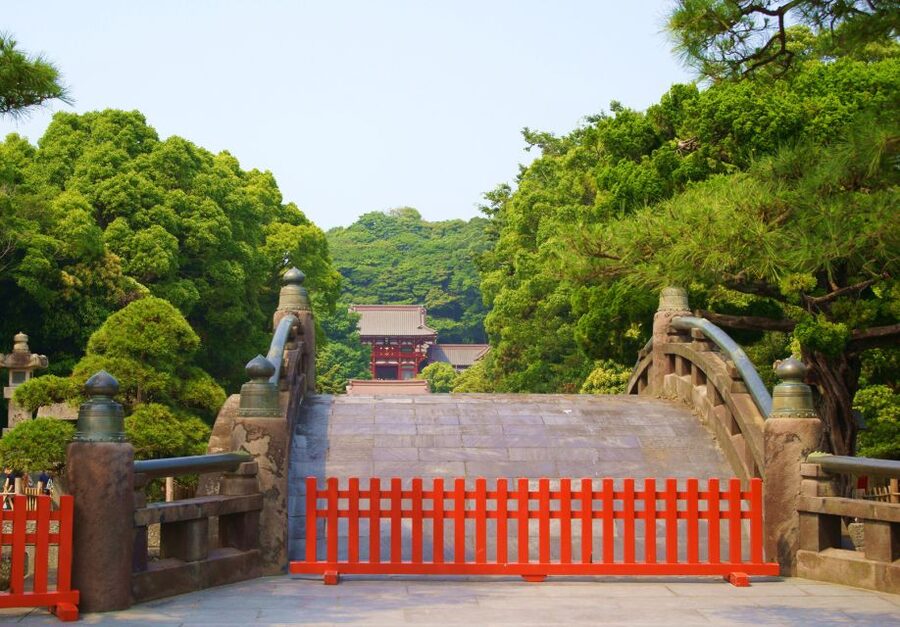
The day continues to Tsurugaoka Hachimangu, one of Kamakura’s major shrines. It offers a different kind of religious site from the Buddhist temples earlier in the day. With a guide, you can better follow the customs and history behind the shrine instead of treating it as a quick photo stop.
Past guides have explained Kamakura’s history across temples and shrines, and that context is one of the strongest reasons to book a guided day rather than make the route on your own. Rie, who led a German-language tour, shared information about the area’s history and religious sites. English-language guides such as Ena have also been praised for detailed explanations. Names are examples, not a guarantee of your assigned guide.
The final stop is Komachi Street, where you can browse and shop for souvenirs. A guide may point out items with a connection to Kamakura, which makes shopping more meaningful than simply scanning shop windows. If you want to stay longer after the tour for shopping, that is allowed, but the scheduled tour still has a planned finish. Check the onward arrangements with your guide so you know how you will get back.
What the $530 group price really buys
The price is $530 for a private group of up to six, not $530 per person. For a full group, that can be reasonable for a day with a private guide and hotel pickup. For one or two people, it is a much larger per-person expense, especially once you add transport, entrance fees and lunch.
The guide’s service is included. Transportation for your group is not, and entrance fees are not included for you. Fees for the guide are also excluded when needed. Lunch for you and the guide is extra. Because the day uses several forms of public transport, do not treat the headline rate as the complete cost.
What you are paying for is a guided route and someone to connect the sights with Kamakura’s history and daily details. The tour is most valuable if you want help with the trains and buses, appreciate explanations at temples and shrines, or prefer a private pace over joining a larger group. If you are comfortable planning public transport and reading about the sites yourself, arranging the day independently may cost less.
The tour has a five-star rating from 11 reviews, and the recurring strengths are specific: attentive guides, clear English, strong explanations of local history, smooth transport navigation and useful help while shopping. Guide availability in French, Spanish and German can be limited from March through May and September through November. Book early if you need one of those languages, or if your dates are fixed.
Who should book this Kamakura tour
I would consider this tour for a first visit to Kamakura, particularly if you want to see the Great Buddha and several other major sites without sorting out the route alone. Families and small groups may find the private format useful, and children under five are free. It is also a good fit if guided explanations are important to you; the strongest praise for the experience has centered on the guides’ historical context and care with the group.
It is less suited to anyone who wants a slow, unstructured day or dislikes public transport and walking. The schedule covers multiple locations, and stations may involve stairs. You can ask the guide to favor elevators or escalators where available, but the tour does not promise step-free access.
Bring comfortable shoes and consider travel insurance before visiting Japan. The provider notes that the guide is not responsible for illness, injury, theft, loss or resulting damages during the service. That is practical fine print, but it reinforces a simple point: this is a full day out, so plan for your own comfort and belongings.
Should you book it?
Book this tour if you want a private guide to make Kamakura’s sights and transport easier to understand, and you are happy to pay separately for trains, buses, admission and lunch. The combination of the outdoor Great Buddha, Hase Temple, bamboo grove, shrine and shopping street is a satisfying first-day sampler.
Before booking, choose your priorities, confirm food needs and request your preferred guide language early. If you want a relaxed visit to only one or two places, or you are highly budget-conscious, a self-planned trip may suit you better. For a compact, guided introduction with room to adjust the route, this is a solid way to spend a day outside Tokyo.
FAQ
How long is the tour?
The tour lasts eight hours. If the group starts late, it still ends at the planned time.
Where does pickup take place?
Pickup is at the lobby of your hotel in Tokyo’s 23 wards. The tour finishes in Shinjuku.
How many people can join the private group?
The $530 price is for a private group of up to six people.
Which languages are available?
Guides are available in English, French, German and Spanish. Availability in French, Spanish and German may be limited during busy seasons from March to May and September to November.
Are transportation costs included?
No. Transportation fees for your group are not included. The route uses JR trains, the Enoden local train and buses.
Are entrance fees included?
No. Entrance fees for your group are not included. A guide’s entrance fee may also be extra when needed.
Is lunch included?
No. Lunch for you and the guide is not included. Seafood is a local specialty, and other food can be arranged if you request it.
Which sights are included in the route?
The route includes Kōtoku-in and the Great Buddha, Hase-dera, Hokokuji Bamboo Forest, Tsurugaoka Hachimangu and Komachi Street.
Can the route be changed?
The plan can be changed to include other places, such as Enoshima Island. Discuss your priorities with the guide, since changes may affect time at other stops.
What should I bring, and is there a lot of walking?
Bring comfortable shoes. The tour involves walking and public transport, and many stations have few elevators or escalators. Tell the guide if you prefer to use stairs as little as possible.
Freshly reviewed in Kamakura
- Tokyo Yokohama Night View Tour With Kamakura And Enoshima★ 3.5 · 14 reviews
- Tokyo: Kamakura & Enoshima Day Tour with Pickup & Train Ride★ 4.1 · 61 reviews
- Tokyo: Kamakura Private Tour With Guide★ 5.0 · 5 reviews
- Tokyo: Day Trip to Kamakura in Spanish – Spanish★ 4.9 · 22 reviews
- Kanagawa: Kimono Rental in Kamakura Provided by RikaWafuku★ 4.8 · 8 reviews
- Private 2-Day Tour: Mt Fuji Hakone & Kamakura + Onsen Ryokan★ 5.0 · 3 reviews
- Mt Fuji Hakone/Enoshima Tour:Optional Ropeway/Lake Ashi Boat★ 4.3 · 49 reviews
- Kamakura Temples Private Guided Tour from Tokyo★ 4.8 · 21 reviews
Kamakura Tours, compared.
Kamakura & Enoshima Day Trip including Temple Tickets
Read our review →
Mt. Fuji, Kamakura, Big Buddha, & Lake Ashi Day Trip
Read our review →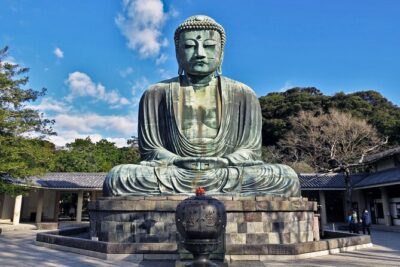
Kamakura Historical Walking Tour with the Great Buddha
Read our review →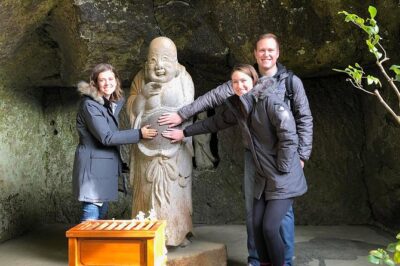
Kamakura Private Tour: Temples, Nature, and the Great Buddha
Read our review →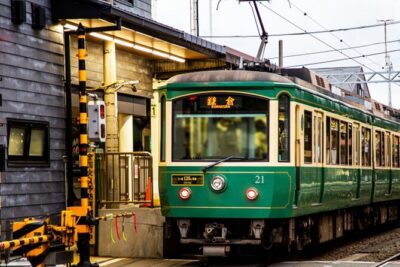
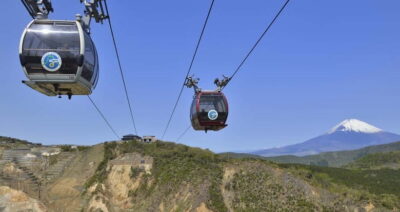
Sea of Mount Fuji, Hakone Ropeway, Ōwakudani, Enoshima
Read our review →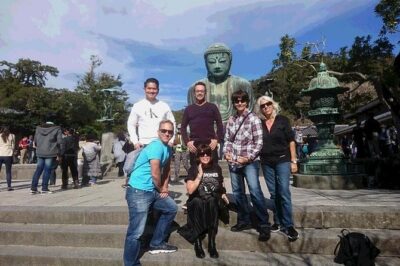
Kamakura 8 hr Private Walking Tour with Licensed Guide from Tokyo
Read our review →Browse the lists this tour appears in