
Reviewed · KAMAKURA TOURS
Tokyo: Kamakura & Enoshima Day Trip including Temple Tickets
Kamakura gives you samurai-era shrines, flower-filled temple grounds and a 13.3-meter bronze Buddha, while Enoshima adds sea views and, on a clear day, Mount Fuji. This nine-hour trip covers a lot of ground from Tokyo, with transport and two temple tickets included.
I like the mix of major sights and free time: you get a guide’s context, then room to shop, eat or wander on your own. I also like the Enoshima finale, where temples, caves, seafood stops and coastal views come together.
The trade-off is pace. You get only 30 minutes at the Great Buddha and two hours for Enoshima, so this is a sampler, not a slow visit. Traffic can also reduce time at stops, and other attractions’ admission is not listed as included.
- Two temple tickets are included: Hasedera and Kōtoku-in are covered in the $58 price.
- The Great Buddha is a National Treasure: You can see the 13.3-meter bronze Amida Buddha up close and enter the statue.
- Komachi Street is a food stop as much as a shopping street: Browse about 250 shops and try local bites such as shirasu dishes, dumplings and croquettes.
- Enoshima gets two hours: That is enough for a focused look, but not every attraction at an unhurried pace.
- Guides make a difference: Guides named on past departures include Eric, Yuki, Mitsuko and Omar, with guests praising clear explanations and helpful local tips.
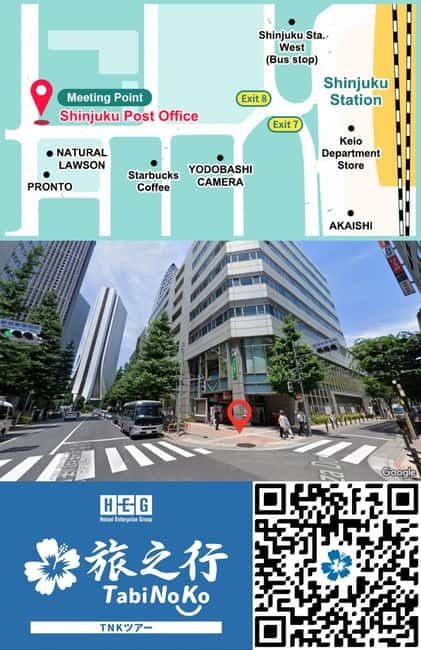
- The return is to Shinjuku: Departure may be from Shinjuku Post Office or Global Ring Café, depending on your booking.
Why Kamakura and Enoshima make a good day out
Kamakura was Japan’s political and cultural center during the Kamakura period. Its shrines and temples are not just pretty stops on a day trip: they help explain the authority and beliefs that shaped samurai society. Tsurugaoka Hachimangu, with more than 800 years of history, remains the city’s best-known spiritual landmark.
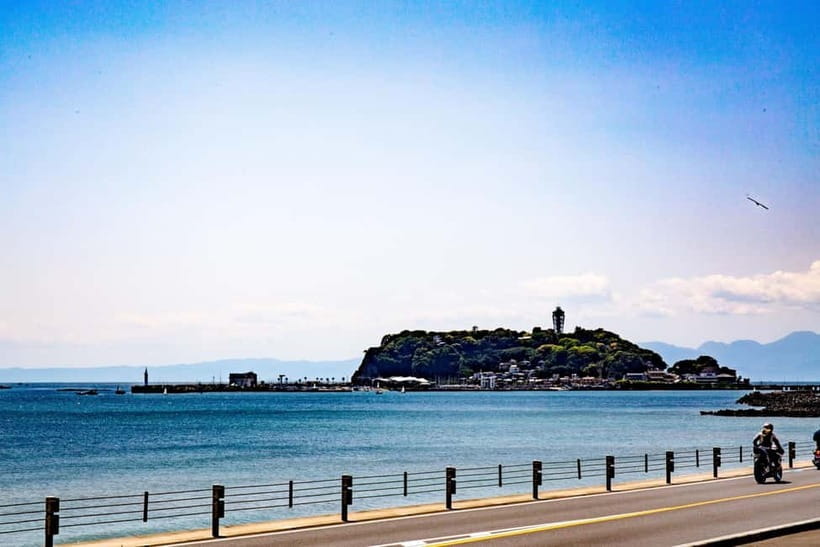
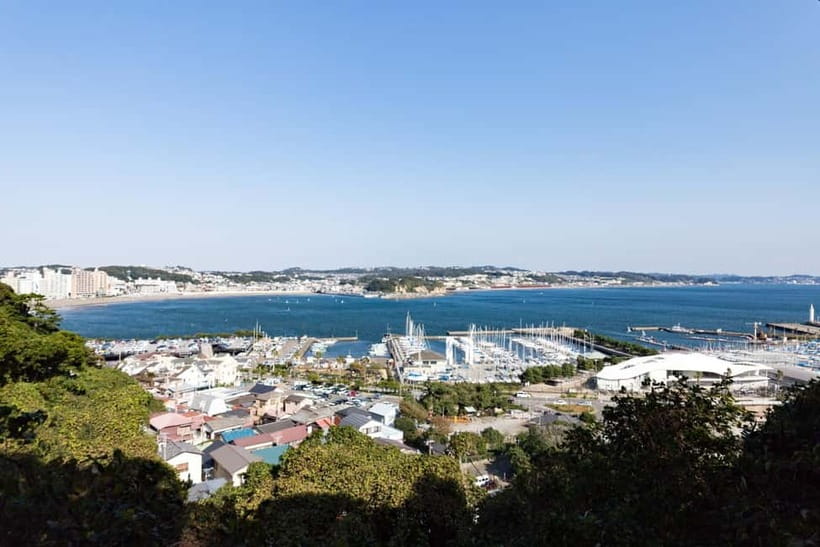
Enoshima changes the mood. The island is known for its shrine, cave, gardens and views across the Shonan Coast. On a clear day, Mount Fuji may appear beyond the water. Pairing the two places gives you a useful contrast: historic streets and religious sites inland, then coastal scenery and seafood at the end.
The tour is built for people who want to see these highlights without planning train connections and local transfers on their own. An air-conditioned vehicle links the stops, and a guide provides context in English or Chinese. That convenience matters on a day with several destinations, though it does mean following a fixed schedule.
Starting from Tokyo, with a full day ahead
The tour lasts nine hours, or 570 minutes, and returns to the Shinjuku area. Depending on the option you book, the meeting point is either Shinjuku Post Office or Global Ring Café. Check the product photo and scan the QR code for your chosen meeting point, then arrive 10 minutes before departure. The vehicle leaves on time.
The meeting-point detail is worth taking seriously. One guide can be kind and organized, but cannot hold the whole bus while someone searches for the right pickup spot. If you are unsure, double-check the location before leaving your hotel.
The vehicle is air-conditioned, but its size may change with the number of people or the conditions that day. Passengers booked for different language groups may also share a vehicle. The guide speaks English or Chinese, though the exact language offered depends on the option you select.
Traffic is the main variable. If the bus is delayed, time at the sights may be adjusted. That is a fair trade for covering several places in one day, but keep your expectations flexible. The route is designed to give you an overview, not to guarantee a fixed number of minutes at every stop regardless of road conditions.
More Kamakura trips in Kamakura:
- Tokyo: Mt. Fuji, Kamakura, Big Buddha, & Lake Ashi Day Trip
★ 4.5 · 867 reviews - From Tokyo: Kamakura & Enoshima 1-Day Bus Tour
★ 4.5 · 189 reviews - Kamakura Historical Walking Tour with the Great Buddha
★ 5.0 · 129 reviews
Tsurugaoka Hachimangu, Kamakura’s spiritual anchor
Your first main stop is Tsurugaoka Hachimangu, a shrine with more than eight centuries of history and a central place in Kamakura’s identity. It attracts around 2.5 million people during New Year’s hatsumode, the first shrine visit of the year, and is one of Japan’s major pilgrimage sites.
The schedule gives you about an hour here. That is enough to see the main grounds, take photos and get a first sense of the shrine’s scale. With a guide, you can connect what you see to the shrine’s role in samurai society rather than treating it as a quick photo backdrop.
If you like reading every sign or exploring smaller corners, one hour may feel short. Use the guide’s introduction to decide what matters most to you, then spend your free time accordingly. The tour gives you a starting point, but the visit is more rewarding if you are ready to look beyond the main approach.
Komachi Street, local snacks and souvenir browsing
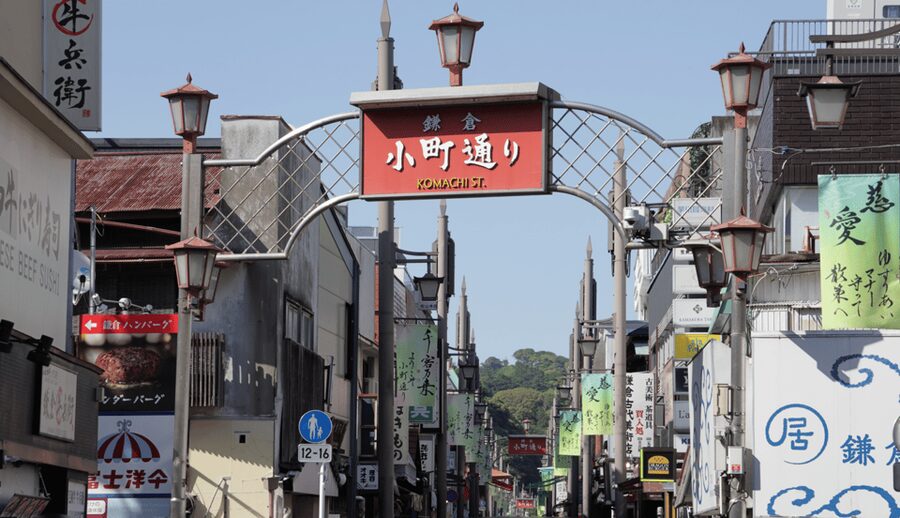
Komachi Street runs between Kamakura Station and the shrine and has around 250 shops. The route is short, but the range is broad: traditional goods, fashion, restaurants and snack counters sit side by side. This is the stop to browse, take a break and get a taste of local food.
Shirasu, small whitebait fish, is a local specialty, and you may see it served in dishes around town. Dumplings and croquettes offer an easier snack if you want to keep moving. The hour here is useful because it gives you time to choose between a sit-down meal and a quick bite, though you should not expect to sample everything on one visit.
If you want to reach Enoshima’s caves later, keep lunch simple. One useful approach is to buy food from a vendor rather than spend much of your free time at a restaurant. That is especially sensible when you want to make the most of the island’s two-hour stop.
Hasedera, flowers, views and a striking Kannon
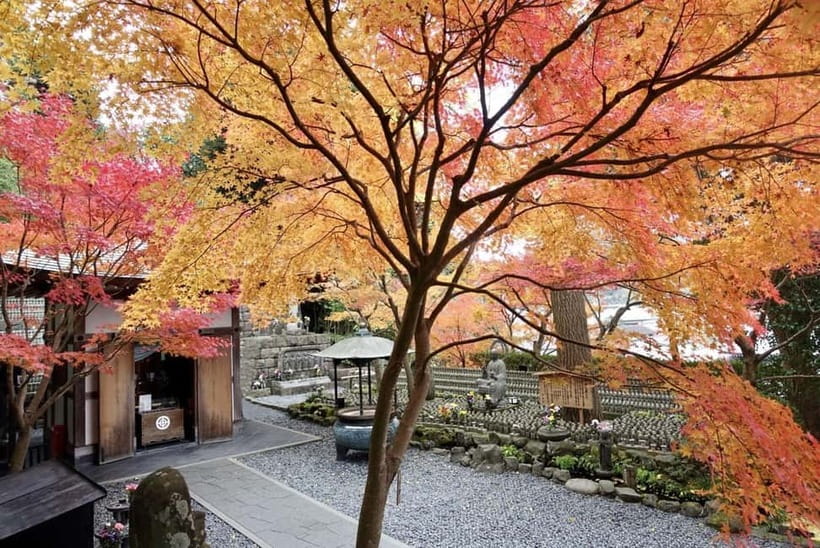
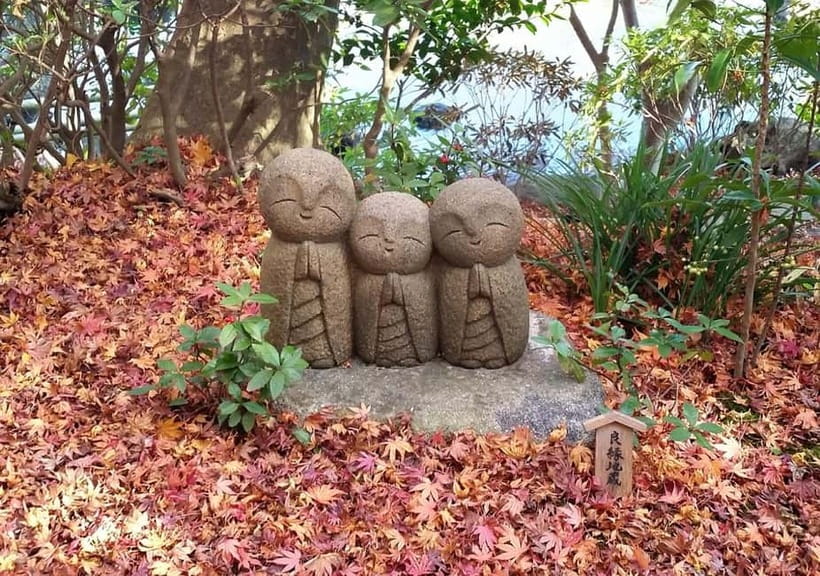
Founded in 736, Hasedera is among Kamakura’s oldest temples. Its main draw is a 9.18-meter Eleven-Headed Kannon statue, but the grounds offer more than a single interior sight. You can find Jizo statues, city views and a seasonal garden whose character shifts through the year.
Cherry blossoms, peonies, hydrangeas and autumn leaves are among the flowers and foliage associated with the temple. Timing matters: the garden will look different in each season, and no single visit can promise every bloom. The view over Kamakura and Sagami Bay adds another reason to pause rather than hurry straight through.
The tour allows about 50 minutes. Your ticket is included, which makes this a particularly good-value stop. Still, the grounds and views invite a slower visit, so choose your priorities early. If flowers are in season, leave time for the garden; if the Kannon is your focus, make that your first stop inside.
More day trips from Tokyo in Kamakura:
- Tokyo: Kamakura & Enoshima Day Tour with Pickup & Train Ride
★ 4.1 · 61 reviews - From Tokyo: Kamakura Full Day Tour with a Local Expert Guide
★ 4.6 · 43 reviews - Kamakura Half Day Tour with a Local Expert Guide
★ 4.4 · 23 reviews - Tokyo: Day Trip to Kamakura in Spanish – Spanish
★ 4.9 · 22 reviews
Kōtoku-in and the Great Buddha
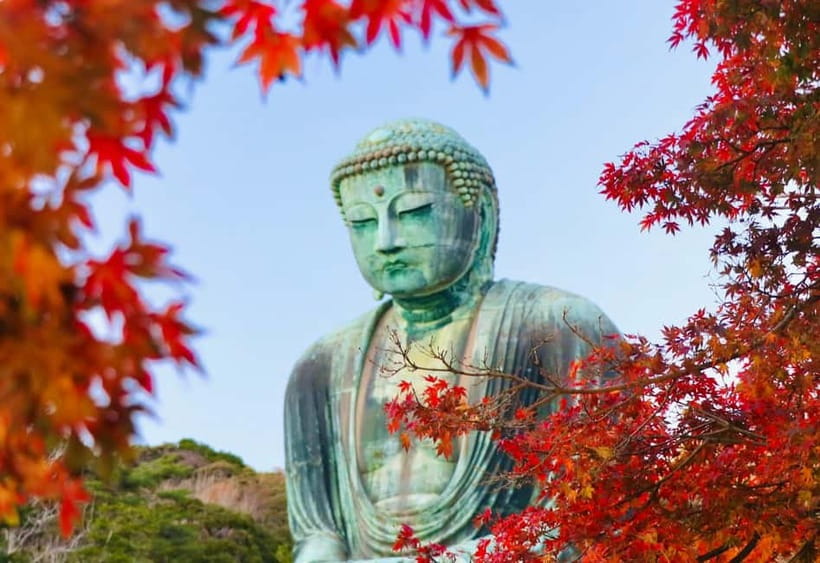
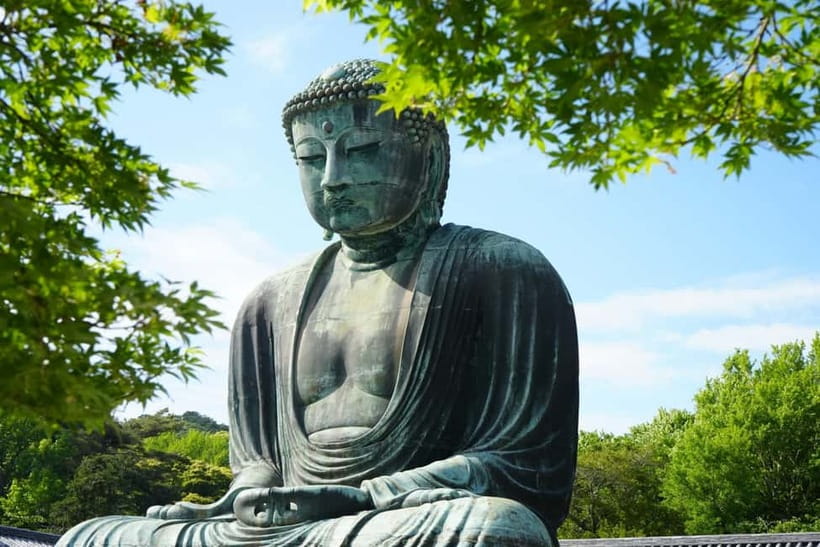
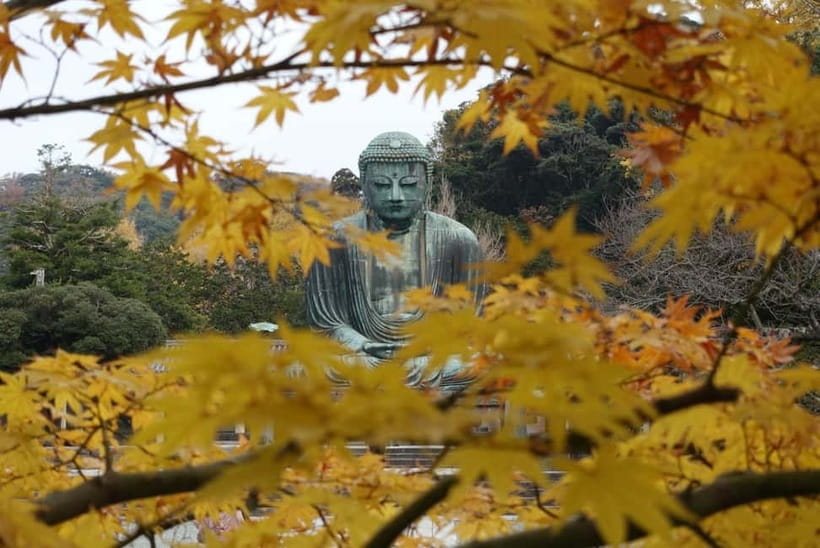
Kōtoku-in houses the Great Buddha of Kamakura, a bronze Amida Buddha roughly 13.3 meters tall and about 121 tons in weight. It is designated a National Treasure, and the scale is more striking in person than a photo can convey. You can get close to the statue and enter inside to see part of its internal structure.
The visit is scheduled for 30 minutes, and the temple ticket is included. That short window is the clearest limitation of the day. You have time to see the statue and take photographs, but not much room for lingering or a detailed look around. Some people will find that enough; if the Buddha is a major reason for your trip, you may want to return independently.
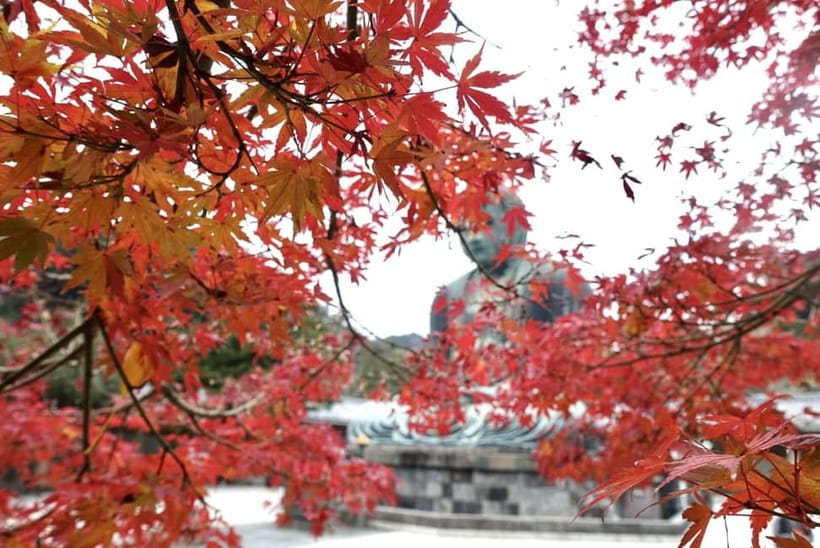
Spring blossoms and autumn foliage add seasonal interest around the temple. Even without a special season, the setting provides a calm pause between Kamakura’s crowded shopping street and the final island visit.
Two hours on Enoshima: choose your priorities
Enoshima gets two hours, and the list of possible stops is long: Enoshima Shrine, the Sea Candle observation tower, Iwaya Cave, Samuel Cocking Garden and Benzaiten Shopping Street. Add cafés, restaurants and fresh seafood, and you can see why the island may feel like the trip’s tightest stop.
The shrine is more than 1,000 years old. The Sea Candle offers high vantage points, while Iwaya Cave gives you a different kind of visit, with a walk through the cave area. Samuel Cocking Garden has paths for a quieter wander. On a clear day, views from the island can include Mount Fuji.
You will need to make choices. If the cave is your priority, avoid a long restaurant meal and buy a quick snack instead. If you care most about the view, head toward the high vantage points and keep an eye on the weather. If food and shopping are your pleasure, stay near the street and sample local specialties. Two hours is a good introduction, but not enough for a leisurely visit to every listed attraction.
The tour includes free time here, so you are not required to follow the guide at every moment. That freedom is valuable, especially when everyone has a different idea of a good island visit. Just be clear about the meeting time and place before setting off on your own.
What the guide adds, and what the schedule asks of you
A good guide can turn a string of stops into a connected day. Guides named on past tours include Eric, Yuki, Mitsuko, Omar, Koji and others. The most useful guide style for this trip is one that gives a concise history, points out practical choices and keeps the group on schedule. People have specifically praised guides for explaining the sites, sharing photo advice, recommending places to eat and helping the day run smoothly.
There is some variation in how much explanation you may get. One past participant wanted more background at the stops, while another noted that a guide spoke quickly. If you need a slower explanation, ask when there is a chance. You can also use the free time to explore at your own pace rather than rely on a continuous guided walk.
The schedule’s strength is its coverage. You see a major shrine, a shopping street, two important temples and a coastal island in one day. Its cost is time: a focused visit at each place is possible, but a deep exploration is not. Keep your return time in mind, especially at Enoshima, where it is easy to spend longer than planned.
Is $58 good value?
At $58 per person, the price includes an air-conditioned vehicle, an English- or Chinese-speaking guide, and tickets to Hasedera and Kōtoku-in. That is solid value if you want a guided day from Tokyo and prefer not to arrange transport between the stops yourself.
The practical value comes from the route as much as the ticket inclusions. Moving between Kamakura and Enoshima takes planning on your own, while this tour connects them in a single day and brings you back to Shinjuku. The guide’s historical context and local tips add value if this is your first visit.
Do not assume every Enoshima attraction is included in the price. The specified included tickets are for Hasedera and Kōtoku-in; admission to the Sea Candle or caves is not listed among the inclusions. If those are must-sees, check the current details before booking and budget accordingly.
Free cancellation up to 24 hours before departure and the reserve-now, pay-later option offer flexibility. If you leave the group midway, you must tell the guide and complete a departure form. Shinjuku is the only available drop-off area.
Who should book this day trip?
Book it if you have limited time in Tokyo and want a well-organized first look at Kamakura and Enoshima. It suits anyone who values transport, a guide and a broad mix of history, food and scenery more than lingering at one temple or planning every detail independently.
Families may appreciate the variety, while food-minded visitors can use Komachi Street and Enoshima to try local specialties. The tour can also work for a first visit before a longer return trip. Bring comfortable shoes for the walking portions, and plan your island priorities before arrival.
Skip it if you want a slow day, extensive time at the Great Buddha or a full exploration of Enoshima’s sights. The tour is best understood as a compact introduction. If that is what you need, the combination of included temple tickets, guided context and several distinct stops makes the $58 fare a sensible choice.
FAQ
How long is the tour?
The tour lasts nine hours, or 570 minutes.
How much does the tour cost?
The listed price is $58 per person.
Which tickets are included?
Tickets to Hasedera and Kōtoku-in are included.
What languages are available for the guide?
The live guide is available in English or Chinese, depending on the option booked.
Where does the tour start?
The starting location may be Shinjuku Post Office or Global Ring Café, depending on the option booked.
Where does the tour end?
The only available drop-off location is in the Shinjuku area.
How much time is scheduled at Enoshima?
The itinerary allows two hours for Enoshima.
How much time is scheduled at the Great Buddha?
The Kōtoku-in stop is scheduled for 30 minutes.
Can I leave the group during the tour?
Yes. Tell the guide in advance on the day and complete a departure form.
What happens if traffic delays the bus?
Stop times may be adjusted if traffic or other unexpected issues delay the vehicle.
More one-day tours in Kamakura
- 1-Day trip: Kamakura City (Enoshima/Shonan/Beach)
★ 4.7 · 3 reviews - Mt Fuji and Hakone 1-Day Bus Tour Return by Bullet Train
★ 5.0 · 26,383 reviews - 1-Day Tokyo Bus Tour
★ 5.0 · 14,250 reviews - Mt Fuji & Hakone Cruise, Drum Show Bullet Train 1 Day from Tokyo
★ 4.0 · 7,413 reviews
Freshly reviewed in Kamakura
- Tokyo Yokohama Night View Tour With Kamakura And Enoshima★ 3.5 · 14 reviews
- Tokyo: Kamakura & Enoshima Day Tour with Pickup & Train Ride★ 4.1 · 61 reviews
- Tokyo: Kamakura Private Tour With Guide★ 5.0 · 5 reviews
- Tokyo: Day Trip to Kamakura in Spanish – Spanish★ 4.9 · 22 reviews
- Kanagawa: Kimono Rental in Kamakura Provided by RikaWafuku★ 4.8 · 8 reviews
- Private 2-Day Tour: Mt Fuji Hakone & Kamakura + Onsen Ryokan★ 5.0 · 3 reviews
- Kamakura: Great Buddha, Hase Temple, & Komachi Street Tour★ 5.0 · 11 reviews
- Mt Fuji Hakone/Enoshima Tour:Optional Ropeway/Lake Ashi Boat★ 4.3 · 49 reviews
Kamakura Tours, compared.
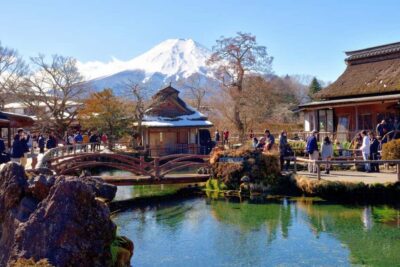
Mt. Fuji, Kamakura, Big Buddha, & Lake Ashi Day Trip
Read our review →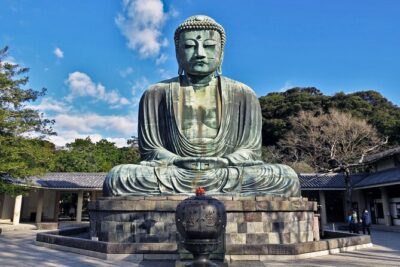
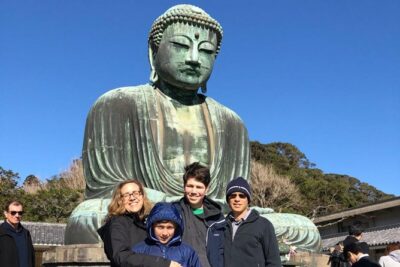
Kamakura Historical Walking Tour with the Great Buddha
Read our review →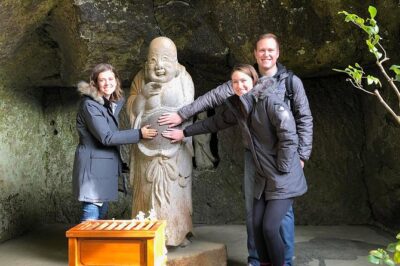
Kamakura Private Tour: Temples, Nature, and the Great Buddha
Read our review →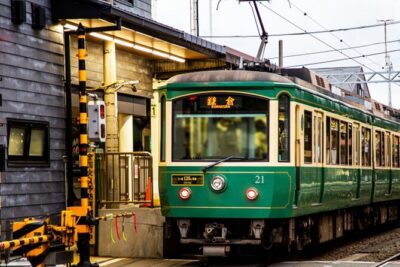
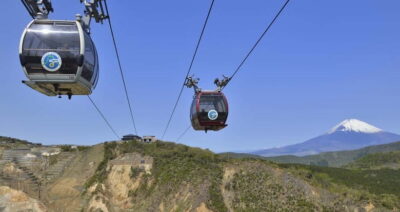
Sea of Mount Fuji, Hakone Ropeway, Ōwakudani, Enoshima
Read our review →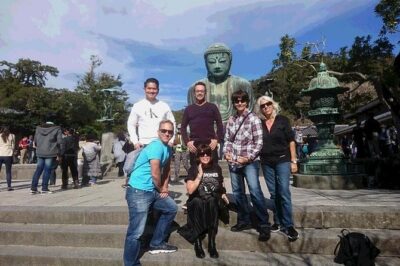
Kamakura 8 hr Private Walking Tour with Licensed Guide from Tokyo
Read our review →
Kamakura & Enoshima Day Tour with Pickup & Train Ride
Read our review →Browse the lists this tour appears in